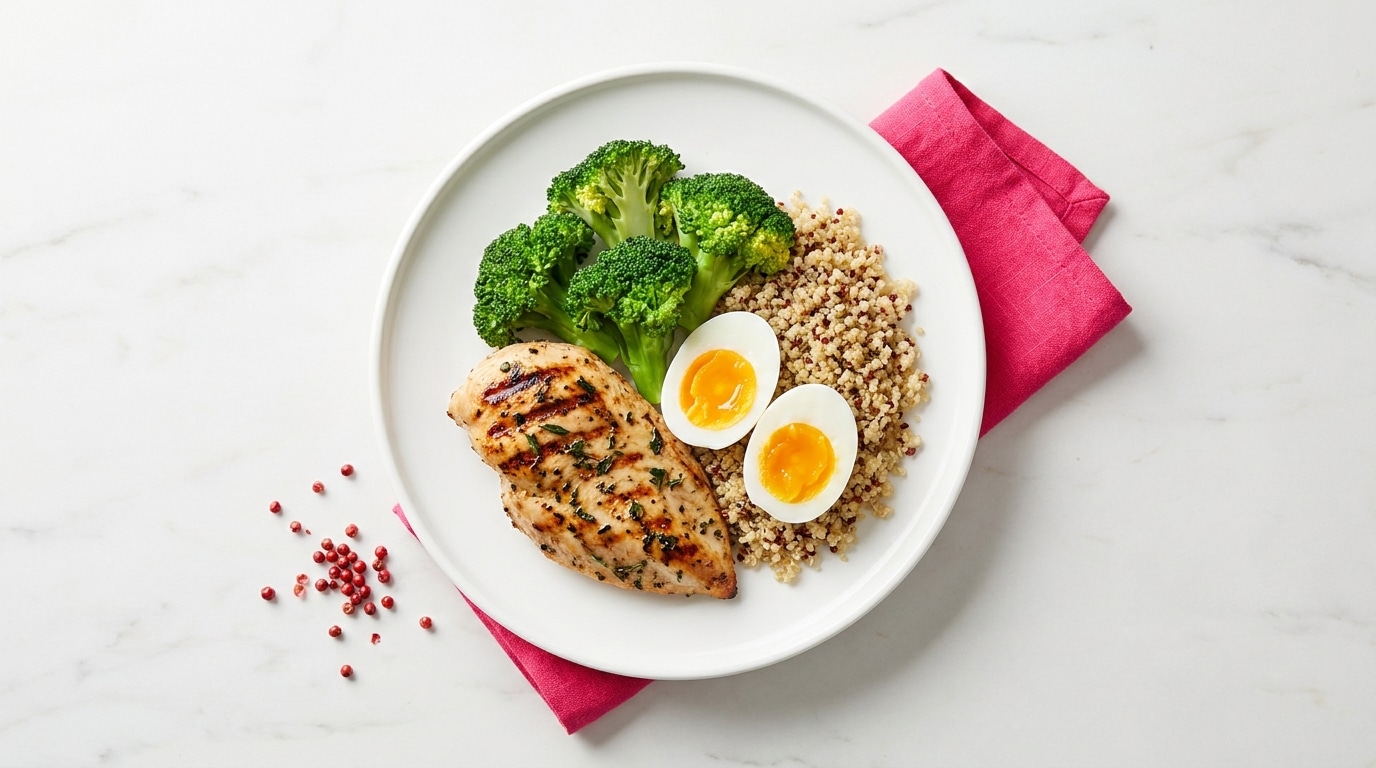
High protein diet plan for weight loss is the single most-followed nutrition trend heading into 2026 — and for good reason. Unlike restrictive fad diets that eliminate entire food groups, a high protein diet plan for weight loss works with your body's biology: it keeps you full longer, protects lean muscle while you lose fat, and slightly boosts the number of calories you burn through digestion. In this guide, you'll learn exactly how much protein you need, which foods to prioritize, a full 7-day meal plan, and the mistakes that quietly stall most people's progress.
Table of Contents
- What Is a High Protein Diet Plan for Weight Loss?
- Why a High Protein Diet Matters for Weight Loss
- Benefits of a High Protein Diet
- How Much Protein Do You Actually Need?
- Step-by-Step Guide to Building Your Plan
- Best High Protein Foods
- Sample 7-Day High Protein Meal Plan
- Best Practices
- Common Mistakes to Avoid
- Pro Tips From Nutrition Experts
- Frequently Asked Questions
What Is a High Protein Diet Plan for Weight Loss?
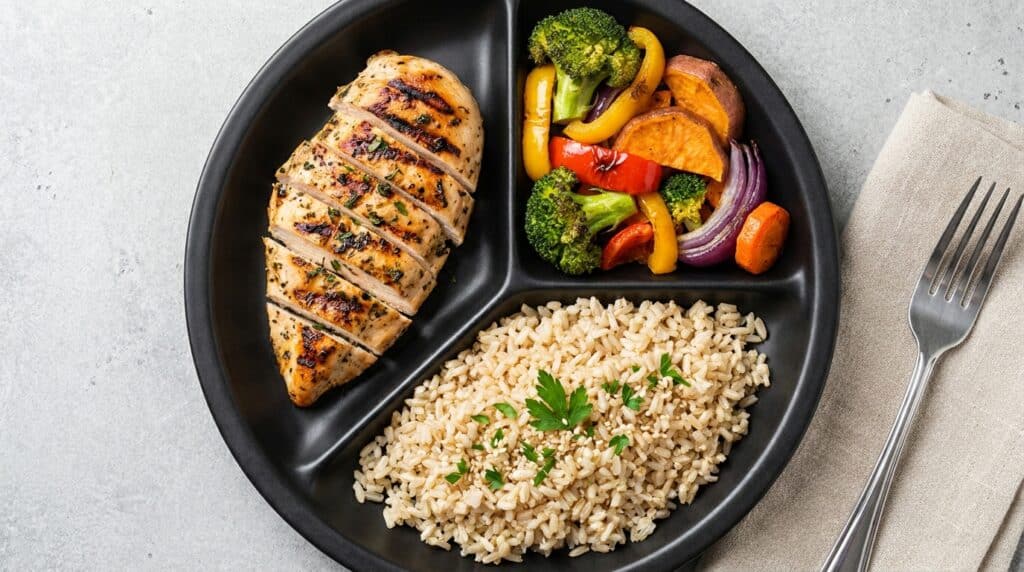
A high protein diet plan is an eating pattern where a larger share of daily calories comes from protein — typically 25 to 35 percent, compared to the standard 10 to 15 percent in an average diet. The rest of your calories still come from carbohydrates and fats, so it's not about elimination; it's about rebalancing your plate around protein first.
Instead of building meals around a starch like rice, pasta, or bread, you build them around a protein source — chicken, fish, eggs, tofu, or legumes — and fill the rest of the plate with vegetables and a smaller portion of carbs.
How It Compares to Other Diets
| Diet Type | Protein Focus | Carb Restriction | Best For |
|---|---|---|---|
| High Protein Diet | High (25–35%) | Moderate | Fat loss with muscle retention |
| Keto | Moderate | Very High | Rapid short-term fat loss |
| Low-Carb (Atkins-style) | Moderate-High | High | Blood sugar control |
| Standard Balanced Diet | Low (10–15%) | Low restriction | General maintenance |
Why a High Protein Diet Matters for Weight Loss
Weight loss ultimately comes down to a calorie deficit — but how you create that deficit determines whether you lose fat or lose muscle, and whether you can stick with the plan long-term. Protein directly affects three things that make or break a weight loss journey:
- Appetite regulation: protein reduces ghrelin, the hormone that triggers hunger.
- Metabolic rate: digesting protein burns more calories than digesting carbs or fat, known as the thermic effect of food.
- Muscle preservation: in a calorie deficit, your body can burn muscle along with fat unless protein intake is high enough to protect it.
This is why a high protein diet plan for weight loss consistently outperforms standard low-calorie diets in research on satiety and long-term adherence, according to the Harvard T.H. Chan School of Public Health.
Benefits of a High Protein Diet
- Reduced hunger and cravings — higher satiety means fewer snack attacks.
- Preserved lean muscle mass — critical for a healthy metabolism during fat loss.
- Better blood sugar stability — fewer energy crashes compared to high-carb meals.
- Improved body composition — more fat lost relative to muscle.
- Higher diet adherence — feeling full makes the plan easier to stick to for months, not days.
How Much Protein Do You Actually Need?
Your ideal protein target depends on your body weight, activity level, and goals.
| Activity Level | Protein Target (per kg body weight) | Example (70kg person) |
|---|---|---|
| Sedentary / minimal exercise | 1.2–1.4 g/kg | 84–98g/day |
| Moderately active | 1.4–1.6 g/kg | 98–112g/day |
| Active / strength training | 1.6–2.0 g/kg | 112–140g/day |
| Athletes / heavy training | 2.0–2.2 g/kg | 140–154g/day |
A simple starting rule: multiply your body weight in pounds by 0.7 to 1 gram of protein per pound if you're moderately active and want to preserve muscle during weight loss. Registered dietitians increasingly recommend spreading protein evenly across three to four meals — 25 to 40 grams each — rather than loading it all into dinner, since this maximizes muscle protein synthesis throughout the day.
Step-by-Step Guide to Building Your Plan
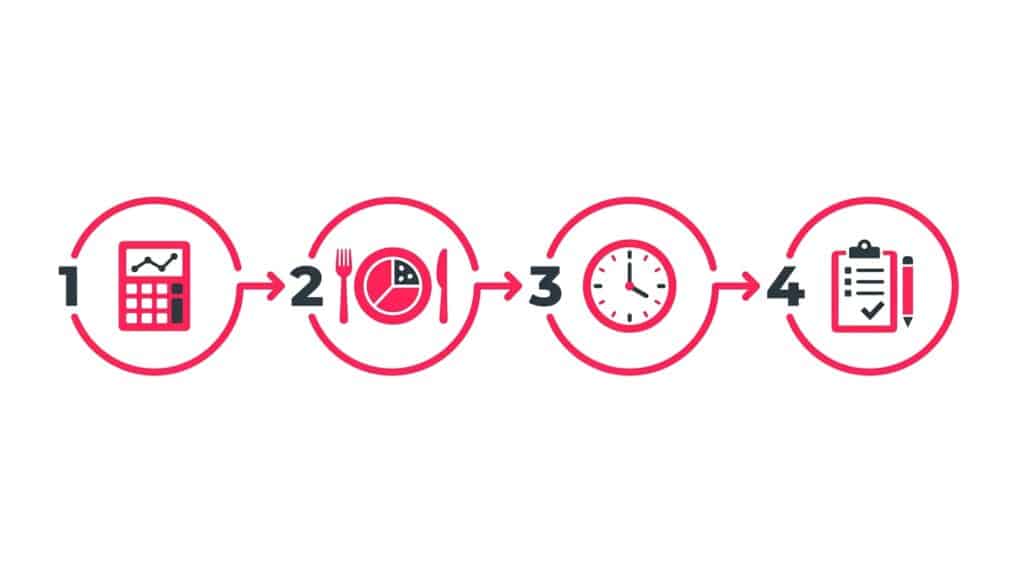
- Calculate your daily calorie needs and create a moderate deficit of 300 to 500 calories. You can use our free calorie and TDEE calculator tool to get exact numbers.
- Set your protein target using the table above.
- Fill 25 to 30 percent of your plate with a protein source at every meal.
- Add fiber-rich vegetables to increase fullness without adding many calories.
- Include healthy fats in moderate amounts, such as olive oil, nuts, or avocado.
- Plan your snacks around protein — Greek yogurt, cottage cheese, or boiled eggs instead of refined carbs.
- Track for one to two weeks using a food app to confirm you're consistently hitting your protein target.
- Adjust based on results — if hunger or fatigue increases, adjust total calories, not protein.
Best High Protein Foods
| Food | Protein per 100g | Best Use |
|---|---|---|
| Chicken breast (skinless) | 31g | Lunch/dinner main |
| Greek yogurt (plain) | 10g | Breakfast/snack |
| Eggs (whole) | 13g | Breakfast |
| Salmon | 25g | Dinner |
| Tofu (firm) | 8g | Plant-based main |
| Lentils (cooked) | 9g | Soups, salads |
| Cottage cheese | 11g | Snack |
Best plant-based options: lentils, chickpeas, black beans, tofu, tempeh, edamame, and quinoa. Best animal-based options: skinless poultry, fatty fish like salmon and tuna, eggs and egg whites, and low-fat dairy such as Greek yogurt and cottage cheese.
Sample 7-Day High Protein Meal Plan
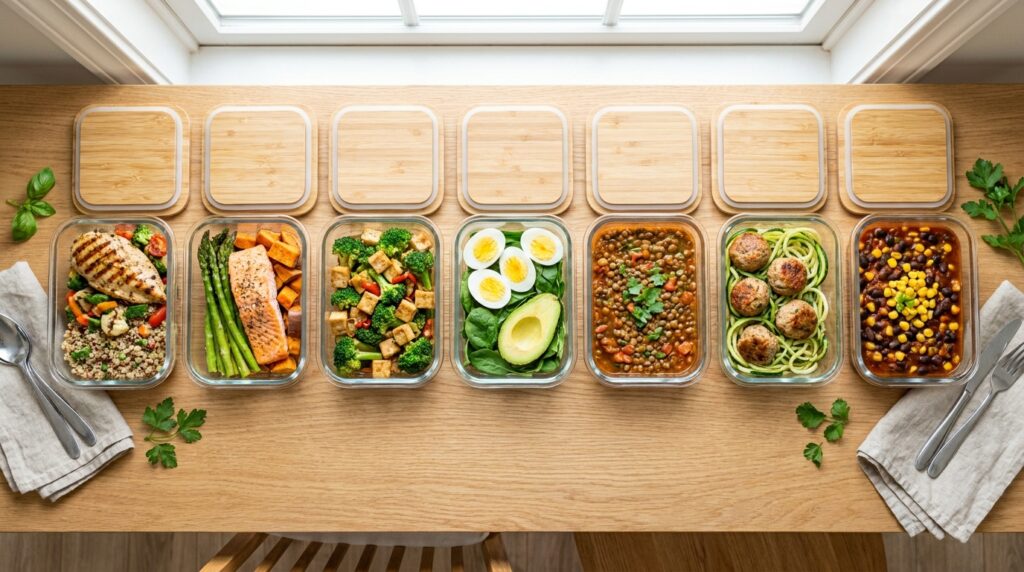
A flexible template — swap ingredients based on your preferences and budget.
| Day | Breakfast | Lunch | Dinner | Snack |
|---|---|---|---|---|
| 1 | Greek yogurt + berries + nuts | Grilled chicken salad | Baked salmon + vegetables | Boiled eggs |
| 2 | Veggie egg muffins | Turkey wrap + side salad | Tofu stir-fry | Cottage cheese |
| 3 | Protein oats + chia seeds | Quinoa + black bean bowl | Grilled chicken thighs | Greek yogurt |
| 4 | High-protein pancakes | Tuna salad | Lentil curry | Edamame |
| 5 | Protein smoothie + spinach | Shrimp quinoa bowl | Turkey meatballs | Almonds + cheese |
| 6 | Cottage cheese + fruit | Chicken burrito bowl | Baked cod + veggies | Protein shake |
| 7 | Omelet + whole grain toast | Leftover meal-prep bowl | Grilled tofu skewers | Greek yogurt |
Best Practices
- Prioritize whole foods over protein bars and powders whenever possible.
- Pair protein with fiber at every meal for maximum satiety.
- Stay hydrated — thirst is often mistaken for hunger.
- Combine with resistance training two to three times per week to maximize muscle retention.
- Sleep seven-plus hours — poor sleep increases hunger hormones and cravings.
- Reassess your targets every four to six weeks as your weight changes.
Common Mistakes to Avoid
Many beginners rely only on protein shakes instead of whole foods, missing out on fiber and micronutrients. Others ignore total calories — protein still has calories, and overeating any macro halts weight loss. Skipping vegetables is another common slip, since fiber is just as important for fullness and gut health.
Going too aggressive too fast often backfires and causes muscle loss, while not spreading protein throughout the day reduces its benefits. Pair your high protein diet plan for weight loss with our tips on a healthy diet plan for beginners for steadier, longer-lasting results.
Pro Tips From Nutrition Experts
- Batch-cook proteins — grilled chicken, boiled eggs, baked tofu — on Sundays to remove daily decision fatigue.
- Use a kitchen scale for the first two weeks to calibrate your portion sizes by eye.
- Keep two to three "grab and go" protein snacks always stocked for busy days.
- If you plateau, check protein intake first — many stalls are due to inconsistent protein, not lack of willpower.
Frequently Asked Questions
Is a high protein diet safe for long-term use?
For most healthy adults, yes. People with kidney disease or other medical conditions should consult a doctor before increasing protein intake significantly.
Can a high protein diet help with belly fat specifically?
It helps with overall fat loss, including visceral fat, though spot reduction isn't possible with any diet.
Do I need protein supplements to succeed?
No — whole foods can meet your targets, though shakes are a convenient option when you're short on time.
How fast will I see weight loss results?
Most people notice reduced hunger within days, and measurable weight changes within two to four weeks depending on their calorie deficit.
Is a high protein diet good for vegetarians?
Yes — lentils, tofu, tempeh, and dairy make a high protein diet plan for weight loss very achievable for vegetarians.
Will a high protein diet make me gain muscle bulk?
No — muscle growth requires a calorie surplus and strength training. In a deficit, protein mainly preserves the muscle you already have.
Can I follow this diet while using GLP-1 medications?
Yes, and it's especially recommended, since these medications reduce appetite and make it harder to hit protein needs without focused meal planning.
What's the biggest risk of eating too much protein?
For healthy individuals, the risk is low, though very high intakes without adequate hydration and fiber can cause digestive discomfort.
Should older adults eat more protein?
Yes — protein needs often increase with age to help prevent muscle loss, known as sarcopenia.
How do I know if I'm eating enough protein?
Track your intake for a few days using a food-logging app and compare it against your calculated target from the tables above.

Conclusion
A high protein diet plan for weight loss isn't a fad — it's one of the most sustainable, well-supported ways to lose fat while protecting the muscle you already have. Start small: pick your protein target, build your next three meals around a protein source, and add one high-protein snack today. Small, consistent changes compound into real results over weeks and months. For more strategies, explore our guides on intermittent fasting for weight loss and gut health for weight loss.