Gut health for weight loss is the missing link many people overlook when their weight loss efforts stall despite doing everything "right."
You've tried counting calories. You've tried cutting carbs. You've tried eating less and moving more. And still, that stubborn belly fat refuses to budge.
What if the problem isn't your willpower — but your gut?
In 2026, gut health has emerged as the single most talked-about factor in weight loss research. And for good reason. Scientists have discovered that the trillions of bacteria living in your digestive system — collectively called your gut microbiome — play a direct role in how many calories you absorb, which hormones control your appetite, and whether your body stores fat or burns it.
This isn't fringe science. A landmark study published in Nature found that people with a more diverse gut microbiome lost significantly more weight on the same diet compared to those with low diversity — even when both groups ate identical meals.
In this post, you'll discover how gut health for weight loss actually works, which foods heal your microbiome, and a practical plan to improve your gut health starting today. If you're new to building healthy eating habits, our healthy diet guide covers the fundamentals. And for a structured weekly menu, the weight loss meal plan for beginners pairs perfectly with the gut-healing strategies below.

Table of Contents
- 1. What Is the Gut Microbiome and Why Does It Matter for Weight?
- 2. The Science: How Gut Bacteria Control Your Weight
- 3. Signs Your Gut Health Is Hurting Your Weight Loss
- 4. Best Foods: Gut Health for Weight Loss
- 5. Worst Foods for Your Gut (and Your Waistline)
- 6. 7-Day Gut Health Meal Plan for Weight Loss
- 7. Probiotics vs Prebiotics: What You Actually Need
- 8. Lifestyle Habits That Heal Your Gut
- 9. Expert Tips Section
- 10. Common Mistakes Section
- 11. Benefits Section
- 12. Frequently Asked Questions
- 13. Conclusion
1. What Is the Gut Microbiome and Why Does It Matter for Weight?
Your gut microbiome is a complex ecosystem of trillions of microorganisms — bacteria, viruses, fungi, and other microbes — living primarily in your large intestine. Think of it as an internal garden. When it's healthy and diverse, everything thrives. When it's out of balance (a condition called dysbiosis), problems emerge.
Here's what makes the microbiome relevant to gut health for weight loss: the specific types and ratios of bacteria in your gut directly influence:
- How many calories you extract from food. Some bacteria are more efficient at breaking down food and extracting calories. People with more of these "efficient" bacteria can absorb up to 150 extra calories per day from the same meal compared to people with less efficient bacteria.
- Which hormones regulate your appetite. Your gut bacteria produce short-chain fatty acids that stimulate the release of GLP-1 and PYY — two hormones that tell your brain "I'm full."
- Whether your body stores fat or burns it. Gut bacteria influence how your body processes bile acids, which are critical for fat digestion and metabolism.
A study from the Journal of Clinical Endocrinology & Metabolism analyzed the gut bacteria of 300 participants and found that those with higher levels of Christensenellaceae bacteria had significantly lower body fat percentages — regardless of what they ate.
2. The Science: How Gut Bacteria Control Your Weight
Mechanism 1: Energy Harvest
Your gut bacteria help digest food that your own digestive enzymes cannot break down — primarily fiber. When certain bacteria ferment this fiber, they produce short-chain fatty acids (SCFAs) like acetate, propionate, and butyrate.
These SCFAs do two things:
- Provide a small amount of additional energy (about 5–10% of your daily calories)
- Signal your body to release appetite-suppressing hormones
The key insight? The type of bacteria in your gut determines how efficiently you harvest energy. People with a higher ratio of Firmicutes to Bacteroidetes (two major bacterial groups) tend to extract more calories from food and are more likely to be overweight.
Mechanism 2: Appetite Regulation
Your gut and brain are in constant communication through what scientists call the gut-brain axis. When your gut bacteria produce SCFAs, they trigger the release of:
- GLP-1: Slows gastric emptying and signals fullness
- PYY: Reduces appetite and food intake
- Leptin sensitivity: Improves your brain's ability to hear "I'm full" signals
When your gut microbiome is unhealthy, these signals get disrupted. You feel hungrier, crave more sugar, and have a harder time feeling satisfied after meals. This is why improving gut health for weight loss can naturally reduce calorie intake without willpower.
Mechanism 3: Inflammation and Fat Storage
An unhealthy gut microbiome leads to increased intestinal permeability — often called "leaky gut." When your gut lining becomes porous, bacterial fragments and toxins can enter your bloodstream. Your immune system responds with chronic low-grade inflammation.
Chronic inflammation directly promotes fat storage, especially around the abdomen. Inflammatory markers like TNF-alpha and IL-6 interfere with insulin signaling, making your fat cells more resistant to releasing stored fat.
A 2024 study in Cell Metabolism found that participants with higher gut inflammation markers stored 22% more visceral belly fat over 2 years compared to those with low inflammation — independent of their calorie intake.
3. Signs Your Gut Health Is Hurting Your Weight Loss
How do you know if your gut is working against your weight loss goals? Here are the most common signs:
- Bloating after meals. If you consistently feel bloated, gassy, or uncomfortable after eating, your gut may be struggling to digest certain foods.
- Sugar cravings. An overgrowth of candida and other sugar-feeding bacteria creates intense cravings for carbohydrates and sweets.
- Irregular bowel movements. Whether it's constipation or loose stools, irregularity is a clear sign your gut microbiome is out of balance.
- Unexplained weight gain. If you're eating well and exercising but still gaining weight, your gut bacteria could be extracting more calories than normal.
- Brain fog and fatigue. The gut-brain axis means an unhealthy gut can affect your mental clarity and energy.
- Skin issues. Acne, eczema, and rosacea are often linked to gut inflammation.
If three or more of these sound familiar, focusing on gut health for weight loss could be the missing piece in your journey.
4. Best Foods: Gut Health for Weight Loss
Prebiotic Foods (Feed Your Good Bacteria)
Prebiotics are types of fiber that your good bacteria feed on. When you eat them, your gut bacteria produce the beneficial SCFAs that support weight loss.
| Food | Prebiotic Type | How It Helps Weight Loss |
|---|---|---|
| Garlic | Inulin | Feeds Bifidobacteria, reduces bloating |
| Onions | Fructooligosaccharides | Increases SCFA production |
| Bananas (slightly green) | Resistant starch | Improves insulin sensitivity |
| Oats | Beta-glucan | Reduces appetite hormones |
| Apples (with skin) | Pectin | Feeds beneficial bacteria |
| Asparagus | Inulin | Supports gut lining repair |
| Jerusalem artichokes | Inulin | Highest prebiotic content |
| Leeks | Inulin | Promotes bacterial diversity |
Probiotic Foods (Add Good Bacteria Directly)
- Greek yogurt (plain, unsweetened) — Lactobacillus and Bifidobacterium strains
- Kefir — Contains up to 30 different bacterial strains
- Sauerkraut (refrigerated, not pasteurized) — Rich in Lactobacillus
- Kimchi — Fermented vegetables with multiple probiotic strains
- Kombucha — Fermented tea with beneficial acids and bacteria
- Miso — Fermented soybean paste with probiotic properties
- Tempeh — Fermented soybean with high protein + probiotics
Polyphenol-Rich Foods (Feed Gut Bacteria + Reduce Inflammation)
- Berries (blueberries, raspberries, strawberries)
- Dark chocolate (70%+ cocoa)
- Green tea
- Extra-virgin olive oil
- Coffee (black, moderate amounts)
- Walnuts and almonds
Our 7 daily habits post emphasizes a protein-rich breakfast — adding Greek yogurt or kefir to that habit is a simple way to support gut health every morning.
5. Worst Foods for Your Gut (and Your Waistline)
Just as certain foods heal your gut, others actively damage it. These are the foods to limit if you want to improve gut health for weight loss:
- Artificial sweeteners. Splenda, aspartame, and saccharin have been shown to disrupt gut bacteria and increase glucose intolerance. A study in Nature found that artificial sweeteners altered the gut microbiome in ways that promoted weight gain — the opposite of their intended effect.
- Ultra-processed foods. Emulsifiers, preservatives, and stabilizers in packaged foods damage the gut lining and reduce bacterial diversity.
- Excessive alcohol. Alcohol disrupts the gut barrier and promotes the growth of harmful bacteria.
- High-fructose corn syrup. Excess fructose feeds harmful bacteria and promotes fat storage in the liver.
- Antibiotic-treated meat. Residual antibiotics in conventionally raised meat can disrupt your gut bacteria.
For a deeper look at how specific foods affect belly fat, our how to lose belly fat naturally guide covers sugar, alcohol, and refined carbs in detail.
6. 7-Day Gut Health Meal Plan for Weight Loss
This meal plan combines gut health for weight loss principles with practical, delicious meals. Every meal includes prebiotic fiber, probiotic foods, or both.
Day 1: Monday
Breakfast — Kefir Smoothie
- 1 cup plain kefir
- 1/2 cup frozen berries
- 1 tablespoon chia seeds
- 1/2 banana
- Handful of spinach
- Blend and enjoy. Prep time: 4 minutes
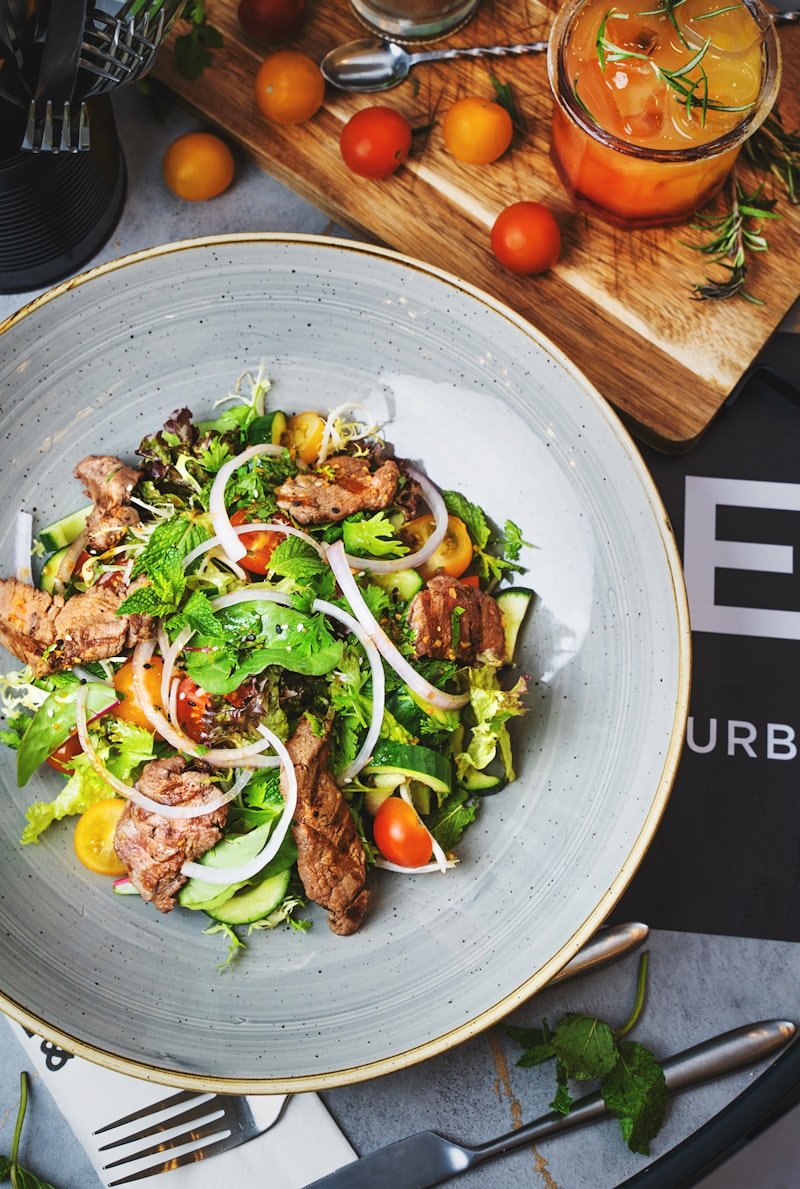
Lunch — Kimchi Brown Rice Bowl
- 1/2 cup cooked brown rice
- 1/2 cup kimchi
- 4 oz grilled chicken or tofu
- 1 cup steamed broccoli
- 1 teaspoon sesame oil
- Prep time: 15 minutes
Snack — Apple (with skin) + 12 almonds
Dinner — Garlic Shrimp with Asparagus
- 5 oz shrimp
- 1 cup asparagus spears
- 3 cloves garlic, minced
- 1 tablespoon olive oil
- Lemon juice, salt, pepper
- 1/2 cup cooked quinoa
- Sauté garlic in oil, add asparagus and shrimp. Cook 5 minutes. Serve over quinoa. Prep time: 15 minutes
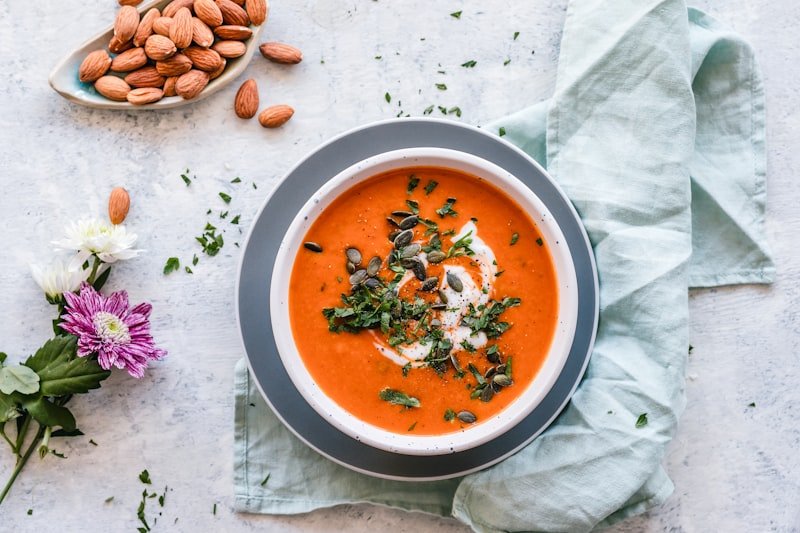
Daily totals: ~1,650 calories | 110g protein | 50g fat | 175g carbs
Day 2: Tuesday
Breakfast — Greek Yogurt Bowl
- 1 cup plain Greek yogurt
- 1/2 cup mixed berries
- 1 tablespoon flaxseeds (ground)
- 1 tablespoon walnuts
- Prep time: 3 minutes
Lunch — Miso Soup with Tofu
- 3 cups low-sodium vegetable broth
- 2 tablespoons miso paste
- 4 oz cubed tofu
- 1 cup bok choy or spinach
- 1/2 cup sliced mushrooms
- 1/2 cup cooked brown rice
- Simmer broth, add tofu and vegetables. Remove from heat, stir in miso paste. Serve with rice. Prep time: 15 minutes
Snack — Handful of sauerkraut + 1 hard-boiled egg
Dinner — Baked Salmon with Roasted Vegetables
- 5 oz wild salmon
- 1 cup broccoli florets
- 1/2 cup chopped leeks
- 1 tablespoon olive oil
- Garlic powder, lemon, salt, pepper
- Roast at 400°F for 18 minutes. Prep time: 22 minutes
Daily totals: ~1,700 calories | 115g protein | 55g fat | 170g carbs
Day 3: Wednesday
Breakfast — Overnight Oats with Berries
- 1/2 cup rolled oats
- 1/2 cup unsweetened almond milk
- 1 tablespoon chia seeds
- 1/2 cup mixed berries
- 1 tablespoon flaxseeds
- Mix, refrigerate overnight. Prep time: 5 min (night before)
Lunch — Leftover Salmon & Vegetables (from Day 2)
Snack — 1 pear + 1 string cheese
Dinner — Turkey & Vegetable Stir-Fry
- 5 oz lean ground turkey
- 1 cup mixed vegetables (broccoli, bell pepper, snap peas)
- 2 cloves garlic, minced
- 1 teaspoon grated ginger
- 1 tablespoon low-sodium tamari
- 1 teaspoon sesame oil
- 1/2 cup cooked quinoa
- Prep time: 18 minutes
Daily totals: ~1,620 calories | 120g protein | 48g fat | 165g carbs
Day 4: Thursday
Breakfast — Scrambled Eggs with Sauteed Onions & Spinach
- 3 eggs
- 1/2 onion, diced
- 2 cups spinach
- 1 tablespoon olive oil
- 1 slice whole-grain toast
- Sauté onion in oil, add spinach, scramble eggs. Prep time: 10 minutes
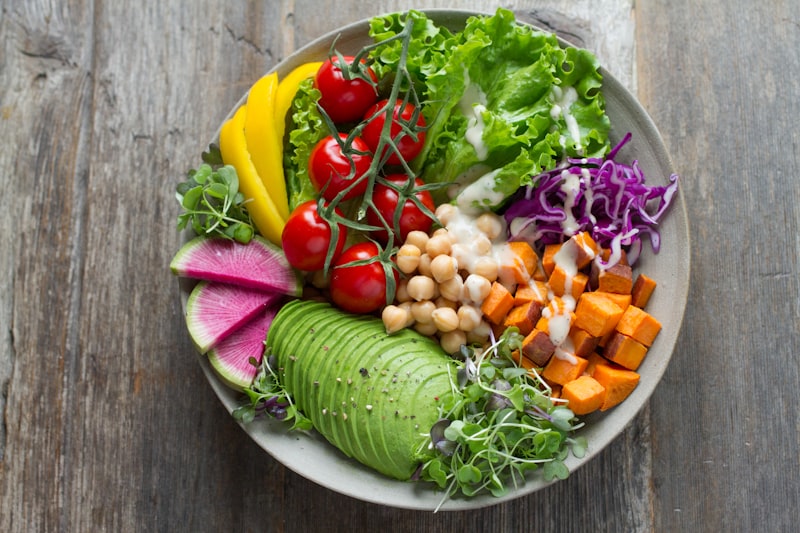
Lunch — Chickpea & Avocado Salad
- 1 can chickpeas (rinsed)
- 1/4 avocado, diced
- 1/4 cup diced cucumber
- 1/4 cup cherry tomatoes
- 1 tablespoon olive oil
- Lemon juice, salt, pepper
- Mix everything. Eat as is or with a handful of whole-grain crackers. Prep time: 6 minutes
Snack — 1/2 cup kefir
Dinner — Garlic Mushroom & Lentil Bowl
- 1 cup sliced mushrooms
- 3 cloves garlic, minced
- 1/2 cup cooked lentils
- 1 cup sauteed kale
- 1 tablespoon olive oil
- 1/2 cup cooked brown rice
- Sauté mushrooms and garlic, add kale, serve over rice with lentils. Prep time: 20 minutes
Daily totals: ~1,580 calories | 95g protein | 45g fat | 195g carbs
Day 5: Friday
Breakfast — Kombucha Morning Smoothie
- 1/2 cup plain kefir
- 1/4 cup kombucha (plain or ginger)
- 1/2 cup frozen mango
- 1 tablespoon chia seeds
- Handful of spinach
- Prep time: 4 minutes
Lunch — Leftover Lentil Bowl (from Day 4)
Snack — Sliced apple with 1 tablespoon almond butter
Dinner — Lemon Herb Chicken with Roasted Leeks
- 5 oz chicken breast
- 1 cup chopped leeks
- 1 cup roasted sweet potato cubes
- 1 tablespoon olive oil
- Lemon juice, rosemary, salt, pepper
- Roast at 400°F for 25 minutes. Prep time: 28 minutes
Daily totals: ~1,690 calories | 125g protein | 50g fat | 175g carbs
Day 6: Saturday
Breakfast — Tempeh Breakfast Scramble
- 4 oz tempeh, crumbled
- 1/2 onion, diced
- 1 cup spinach
- 1 tablespoon olive oil
- 1/2 avocado
- Sauté onion, add tempeh and spinach. Serve with avocado. Prep time: 10 minutes
Lunch — Sauerkraut & Turkey Wrap
- 1 whole-grain wrap
- 4 oz sliced turkey breast
- 1/4 cup sauerkraut
- Handful of arugula
- 1 tablespoon Greek yogurt (as spread)
- Prep time: 5 minutes
Snack — Handful of walnuts + 1 square dark chocolate (70%+)
Dinner — Grass-Fed Beef Stir-Fry
- 4 oz lean beef strips
- 1 cup broccoli
- 1 bell pepper, sliced
- 2 cloves garlic
- 1 tablespoon low-sodium tamari
- 1 teaspoon sesame oil
- 1/2 cup cooked brown rice
- Prep time: 15 minutes
Daily totals: ~1,720 calories | 115g protein | 52g fat | 180g carbs
Day 7: Sunday
Breakfast — Berry & Flaxseed Oatmeal
- 1/2 cup rolled oats
- 1 cup water or almond milk
- 1/2 cup berries
- 2 tablespoons ground flaxseeds
- 1 tablespoon chopped almonds
- Prep time: 10 minutes
Lunch — Leftover Beef Stir-Fry (from Day 6)
Snack — 1 orange + 1/4 cup mixed nuts
Dinner — Buddha Bowl with Miso Dressing
- 4 oz grilled chicken or tempeh
- 1 cup mixed greens
- 1/2 cup cooked quinoa
- 1/4 cup shredded carrots
- 1/4 cup edamame
- Dressing: 1 tbsp miso + 1 tbsp olive oil + 1 tsp lemon juice
- Prep time: 15 minutes
Daily totals: ~1,650 calories | 110g protein | 48g fat | 185g carbs
7. Probiotics vs Prebiotics: What You Actually Need
A common confusion in the gut health for weight loss conversation is the difference between probiotics and prebiotics. Here's a simple breakdown:
| Probiotics | Prebiotics | |
|---|---|---|
| What they are | Live beneficial bacteria | Food for beneficial bacteria |
| Examples | Yogurt, kefir, kimchi, sauerkraut | Garlic, onions, bananas, oats, asparagus |
| How they work | Add bacteria to your gut | Feed the bacteria already there |
| Who needs them | People with low bacterial diversity | Everyone eating a gut-healthy diet |
| Supplement form | Probiotic capsules (various strains) | Inulin, psyllium, resistant starch powders |
The golden rule: Prebiotics are more important than probiotics for most people. Your gut already has good bacteria — you just need to feed them properly. Adding probiotics without prebiotics is like planting seeds in empty soil without water or fertilizer.
8. Lifestyle Habits That Heal Your Gut
Your gut health isn't just about food. These lifestyle factors are equally important for gut health for weight loss:
- Sleep 7–8 hours. Your gut bacteria follow a circadian rhythm. Poor sleep disrupts bacterial diversity and promotes inflammatory bacteria.
- Manage stress. Chronic stress alters gut motility and bacterial composition. High cortisol feeds inflammatory bacteria and reduces beneficial strains.
- Eat slowly and chew thoroughly. Digestion begins in your mouth. Chewing 20–30 times per bite reduces the workload on your gut.
- Stay hydrated. Water supports the mucosal lining of your intestines and helps maintain bacterial balance.
- Exercise regularly. Moderate exercise increases bacterial diversity and promotes the growth of butyrate-producing bacteria.
- Avoid unnecessary antibiotics. Antibiotics kill both harmful and beneficial bacteria. Only take them when medically necessary.
- Eat a varied diet. Eating 30+ different plant foods per week is associated with the healthiest gut microbiome.
9. Expert Tips Section
These advanced insights come from gastroenterologists and microbiome researchers:
- Eat resistant starch. Cook and cool potatoes, rice, or pasta before eating. The cooling process creates resistant starch, which functions as a powerful prebiotic.
- Start meals with vegetables. Eating fiber-rich vegetables first slows glucose absorption and gives your gut bacteria an early meal.
- Time your probiotics right. Take probiotic foods or supplements 30 minutes before a meal for better survival through stomach acid.
- Try time-restricted eating. Eating all meals within a 10-hour window gives your gut a fasting period that allows beneficial bacteria to thrive.
- Don't overdose on supplements. More is not better with probiotics. Stick to food sources first.
10. Common Mistakes Section
Even with good intentions, these mistakes can derail your gut health progress:
- Taking probiotics without prebiotics. This is the most common mistake. Probiotics need fuel to survive and colonize.
- Cutting out all carbs. Your good bacteria need fiber and resistant starch to thrive.
- Relying on probiotic supplements. Food-based probiotics are more effective with multiple strains.
- Drinking kombucha all day. Kombucha is acidic and can erode tooth enamel. One small glass per day is plenty.
- Ignoring food intolerances. Start with small portions and gradually increase.
- Expecting overnight results. Healing your gut microbiome takes 2–4 weeks.
11. Benefits Section
Improving your gut health for weight loss delivers benefits far beyond the scale:
- Effortless calorie reduction. When your gut bacteria produce the right signals, you naturally eat less.
- Reduced bloating. A healthy gut processes food more efficiently.
- Better energy. Improved nutrient absorption means more fuel from the same food.
- Stronger immunity. 70% of your immune system lives in your gut.
- Clearer skin. Gut inflammation often shows up as acne or eczema.
- Improved mood. The gut-brain axis supports balanced mood and reduced anxiety.
- Sustainable results. Gut health improvements are permanent.
12. Frequently Asked Questions (FAQ)
Can improving gut health really help me lose weight?
Yes. Studies show that people with diverse gut microbiomes lose significantly more weight on the same diet compared to those with low diversity. Your gut bacteria directly affect calorie absorption, appetite hormones, and fat storage.
How long does it take to improve gut health?
Most people notice improved digestion and reduced bloating within 1–2 weeks. Significant changes in gut bacterial diversity take 2–4 weeks of consistent dietary changes.
Do I need to take probiotic supplements?
Not necessarily. Food-based probiotics (yogurt, kefir, kimchi, sauerkraut) are often more effective because they contain multiple strains and beneficial compounds. Focus on food sources first.
Can I eat carbs on a gut-healthy diet?
Absolutely. Your good bacteria need fiber and resistant starch — both are carbohydrates. The key is choosing complex, fiber-rich carbs over refined carbs.
Is kombucha good for weight loss?
Kombucha can support gut health when consumed in moderation (4–8 oz per day). It provides beneficial acids and bacteria. However, it's not a magic weight loss drink.
What's the difference between prebiotics and probiotics?
Probiotics are live beneficial bacteria. Prebiotics are the food that feeds those bacteria. You need both for optimal gut health.
Will a gut health diet help with bloating?
Yes. Bloating is often a sign that your gut bacteria are fermenting food improperly. A gut-healthy diet typically reduces bloating within 1–2 weeks.
Can stress really affect my gut bacteria?
Yes. Chronic stress alters gut motility, reduces beneficial bacteria, and increases intestinal permeability. Managing stress is as important as diet.
Should I avoid all processed foods?
Ultra-processed foods with emulsifiers, preservatives, and artificial sweeteners can damage your gut lining. Focus on whole foods 80% of the time.
Can I follow this meal plan as a vegetarian?
Easily. Swap chicken and beef for tempeh, tofu, lentils, chickpeas, or eggs. The meal plan already includes several vegetarian days.
13. Conclusion
The connection between gut health for weight loss is one of the most exciting discoveries in modern nutrition. Your gut microbiome isn't just along for the ride — it's actively controlling how your body processes food, manages appetite, and stores fat.
The good news? You can improve your gut health starting with your next meal. Add garlic to your cooking. Start your day with Greek yogurt or kefir. Eat the skin on your apple. Cook rice and let it cool overnight for resistant starch. These small changes add up to a healthier gut — and a healthier weight.
For a complete foundation, pair these gut-healing strategies with the daily habits and meal plans on this site. Our 7 daily habits post and weight loss meal plan are designed to work alongside the gut health principles you've learned here.
Your first step: Add one probiotic food and one prebiotic food to your next meal. Drop a comment below and tell me which foods you're starting with. I read every comment.