Weight Loss Meal Plan for Beginners — 7-Day Diet Plan With Simple Meals
Introduction
If you've ever typed "what should I eat to lose weight" into Google, you already know how overwhelming the answers are. Eat keto. Go vegan. Cut carbs. Count calories. Fast for 16 hours. Eat six small meals a day. Don't eat after 7 PM.
It's exhausting — especially when you're just trying to figure out where to start.
The truth is, you don't need a complicated diet to lose weight. You need a simple, structured plan that takes the guesswork out of eating so you can build healthy habits without overthinking every meal. That's exactly what this weight loss meal plan for beginners is designed to do.
In this post, I'm sharing a complete 7-day diet plan for beginners — with breakfast, lunch, dinner, and snack ideas using everyday ingredients you can find at any grocery store. No fancy superfoods. No extreme restrictions. Just real food, real portions, and a realistic approach that works.
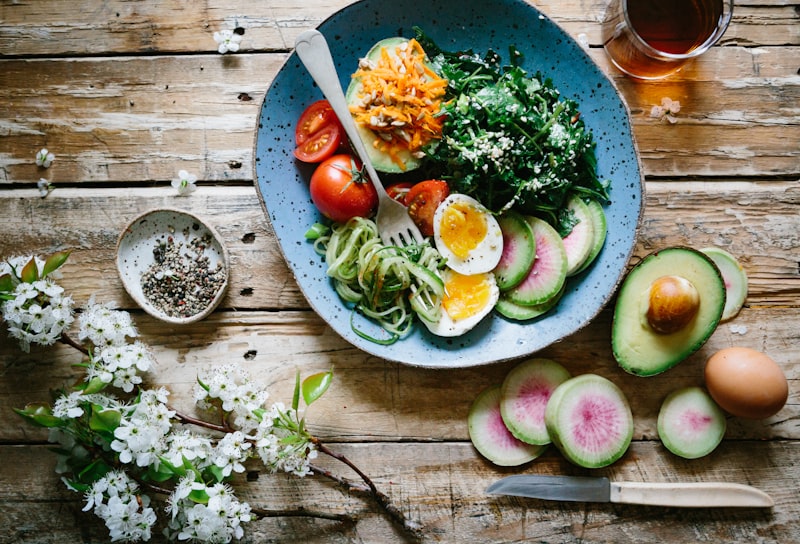
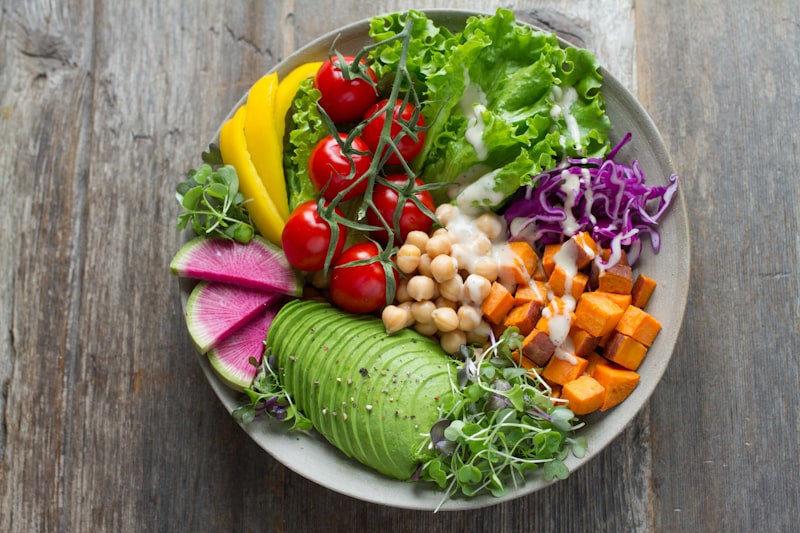
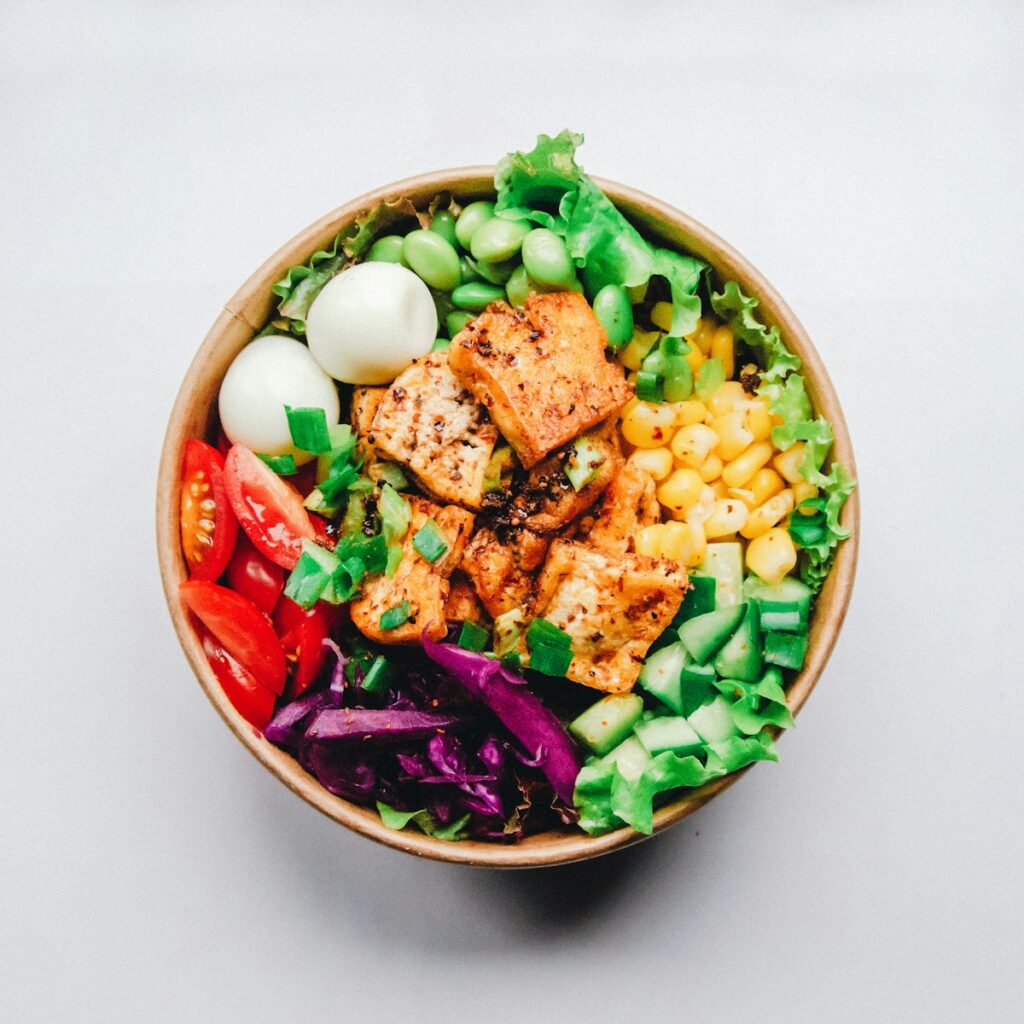
Assorted healthy ingredients for your weekly weight loss meal prep grocery list
If you're new to the basics of healthy eating, I recommend starting with our healthy diet guide for beginners before diving into this meal plan. And if you want to understand the daily habits that support weight loss without strict dieting, the 7 daily habits post is a great companion to this plan.
Here's something I've learned from helping hundreds of people start their weight loss journey: the biggest obstacle isn't a lack of willpower — it's decision fatigue.
Every day, you make over 200 decisions about food. What to eat for breakfast. Whether to grab lunch or order in. What snack won't ruin your progress. What to cook for dinner when you're tired. By the end of the day, your brain is exhausted, and that's when the pizza delivery number starts looking really good.
A meal plan removes those decisions. When you know exactly what you're eating — and you've already got the ingredients — there's no debate. You just follow the plan.
Research backs this up. A study published in the International Journal of Behavioral Nutrition and Physical Activity found that people who followed a structured meal plan lost significantly more weight than those who tried to make healthy choices on the fly, even when both groups consumed similar calories.
This weight loss meal plan for beginners gives you that structure without feeling like a prison sentence. Every meal is designed to be satisfying, simple to prepare, and made from ingredients you can find at any supermarket.
2. The 5 Core Principles of This Meal Plan
Before we get into the meals themselves, let me explain the philosophy behind this plan. These five principles are what make this beginner weight loss diet plan different from the restrictive diets you've tried before.
Principle 1: A Moderate Calorie Deficit
Weight loss happens when you consistently eat fewer calories than your body burns. That's a fact. But the size of that deficit matters enormously. A massive deficit — like the 1,200-calorie plans you see everywhere — triggers your body's starvation response. Your metabolism slows down, your hunger hormones surge, and within two weeks you're ravenous and ready to quit.
This meal plan is built around a moderate deficit of 300–500 calories below maintenance. For most women, that means 1,600–1,800 calories per day. For most men, 2,000–2,200 calories. You'll lose 1–2 pounds per week — which is the sweet spot for sustainable weight loss.
Principle 2: Protein at Every Meal
Protein is the single most important nutrient for weight loss, and it's non-negotiable on this plan. Every meal includes a solid protein source because protein:
Reduces hunger hormones (ghrelin) for hours after eating
Boosts metabolism through its high thermic effect (you burn 20–30% of protein calories just digesting it)
Preserves muscle mass during weight loss, which keeps your metabolism running
Our 7 daily habits post emphasizes protein at breakfast for a reason — it sets the tone for your entire day.
Principle 3: Fiber from Real Foods
Fiber is the unsung hero of weight loss meals. It adds bulk without calories, slows digestion to keep you full, and feeds your gut bacteria — which influence everything from your mood to your weight.
This plan includes vegetables, fruits, legumes, and whole grains at every meal. You won't find any "fiber supplements" or processed "diet" foods here. Just real ingredients that happen to be rich in fiber naturally.
Principle 4: No Food Is Banned
Here's the uncomfortable truth about "forbidden foods": the moment you tell yourself you can't have something, you want it more. This isn't a character flaw — it's basic human psychology called the "forbidden fruit effect."
This meal plan includes room for treats. There's no sugar detox, no carb cutting, no "clean eating" dogma. If you want chocolate, have a small piece. If you crave pizza, eat a slice — just adjust your other meals. Sustainability matters more than perfection.
Principle 5: Progress Over Perfection
You will not follow this plan perfectly. Nobody does. You'll have a day where you eat a whole bag of chips, skip a meal, or order takeout because you're too tired to cook. That's not a failure — it's being human.
The goal is to follow this plan 80% of the time. That's enough to produce consistent weight loss without turning your life upside down.
3. Foods to Eat: Beginner Grocery List
Here's your complete shopping list for this weight loss meal plan for beginners. I've organized it by category so you can print this out and take it straight to the store.
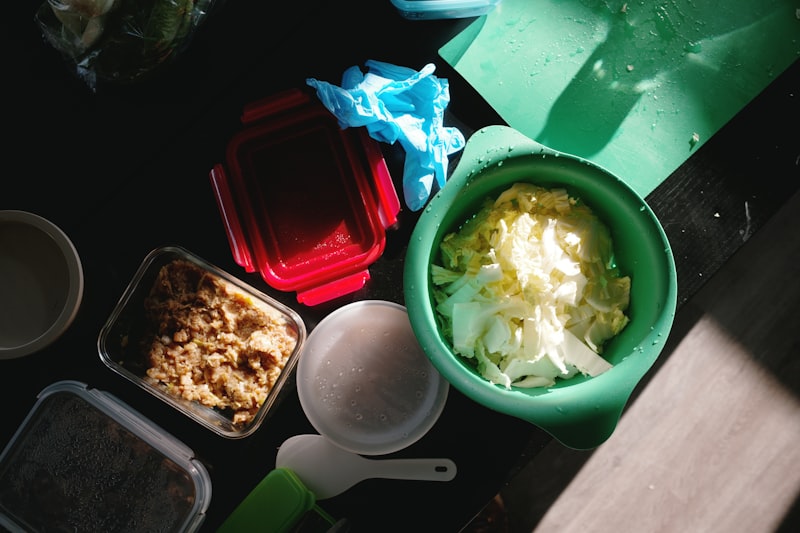
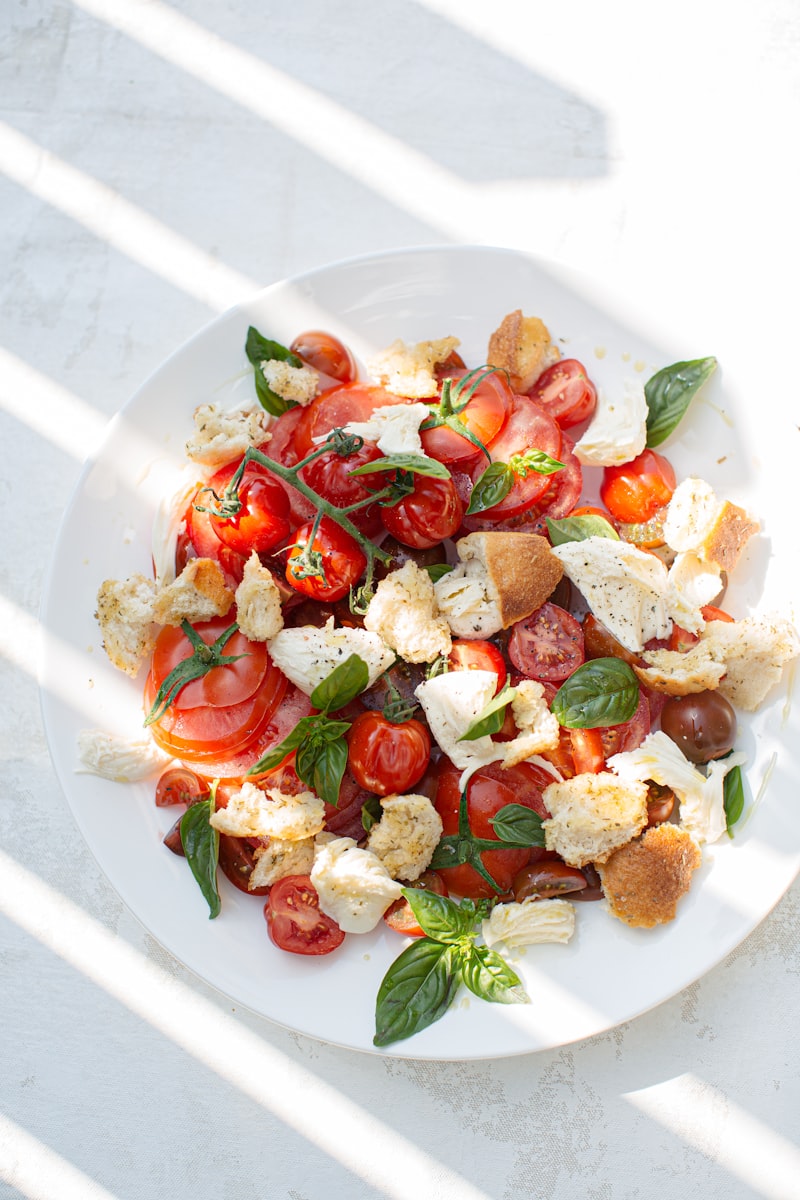
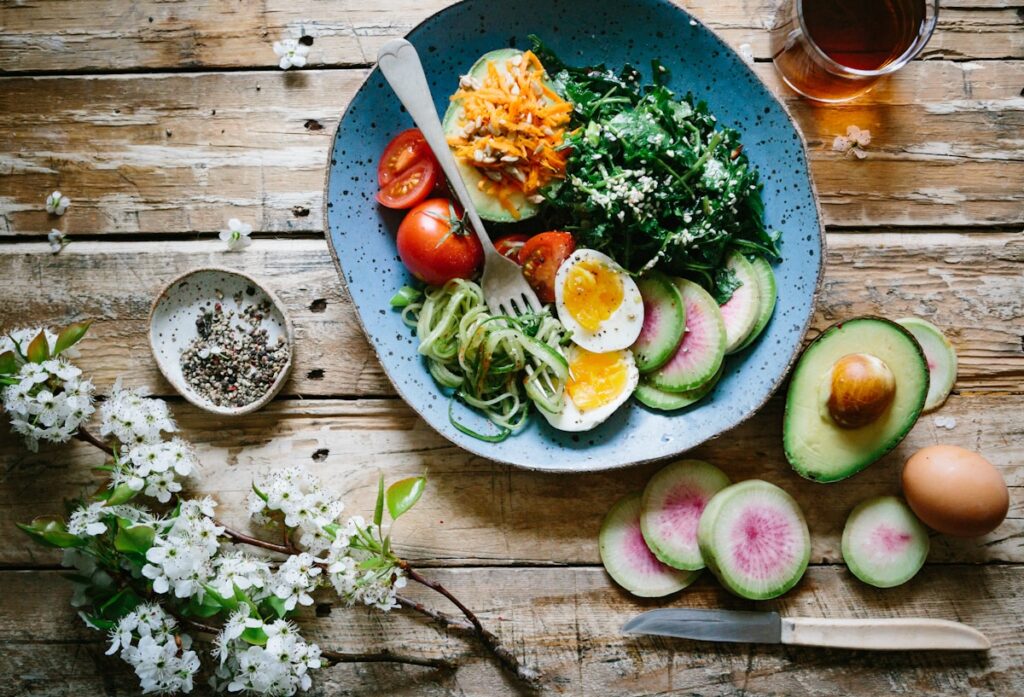
Weekly meal prep with chopped vegetables portion containers and fresh ingredients
Protein Sources
Food
Why It's Included
Chicken breast (boneless, skinless)
Lean, high protein, versatile
Eggs
Perfect protein, affordable, easy
Greek yogurt (plain, 2% or full-fat)
High protein, probiotics, creamy
Canned tuna or salmon
No cooking required, omega-3s
Lentils and chickpeas
Plant protein + fiber, cheap
Tofu or tempeh
Great plant protein option
Ground turkey or lean beef (90/10)
Satisfying, iron-rich
Vegetables (Fresh or Frozen)
Food
Why It's Included
Spinach and leafy greens
Nutrient-dense, low-calorie base
Broccoli and cauliflower
Fiber, volume, roasting-friendly
Bell peppers (any color)
Vitamin C, crunch, flavor
Onions and garlic
Flavor foundation for any dish
Tomatoes (fresh or canned)
Lycopene, sauce base, versatile
Zucchini and summer squash
Low-calorie volume
Carrots and celery
Snack-friendly, crunchy
Fruits
Food
Why It's Included
Berries (fresh or frozen)
Low sugar, high fiber, antioxidant
Apples and pears
Portable fiber-rich snacks
Bananas
Pre-workout energy, smoothie base
Oranges
Vitamin C, portable
Avocado
Healthy fats, satiety
Complex Carbohydrates
Food
Why It's Included
Oats (rolled or steel-cut)
Fiber-rich breakfast staple
Brown rice or quinoa
Whole grain, protein bonus from quinoa
Sweet potatoes
Fiber, vitamin A, naturally sweet
Whole-grain bread or wraps
Quick sandwich base
Whole-wheat pasta
Satisfying, higher fiber than white
Healthy Fats
Food
Why It's Included
Extra-virgin olive oil
Monounsaturated fat, cooking base
Nuts (almonds, walnuts)
Portable healthy fat + protein
Seeds (chia, flax, pumpkin)
Fiber, omega-3s, easy add-ons
Nut butter (no added sugar)
Satisfying, protein + fat
Pantry Staples
Food
Why It's Included
Canned beans (black, kidney, garbanzo)
Quick plant protein + fiber
Low-sodium broth (chicken or vegetable)
Soup base
Spices (cumin, paprika, turmeric, black pepper)
Flavor without calories
Vinegar (apple cider, balsamic)
Flavor, minimal calories
Salsa and hot sauce
Zero-calorie flavor
4. Foods to Avoid (or Limit)
This isn't a "never eat this" list — it's a "be aware of this" list. These are the foods that make weight loss harder because they're high in calories and low in satiety.
Sugary drinks. Soda, sweetened coffee, fruit juice, and energy drinks are the single biggest source of empty calories in most people's diets. A single 12-ounce soda has 140 calories and does nothing to fill you up. This alone can make or break your beginner weight loss diet plan.
Ultra-processed snacks. Chips, cookies, granola bars, and crackers are engineered to be overeaten. They're low in protein and fiber, high in sugar and refined flour, and easy to consume 500 calories of without noticing.
White bread and refined grains. White bread, white rice, and regular pasta spike your blood sugar and leave you hungry within two hours. Swapping to whole-grain versions is one of the easiest wins.
Fried foods. French fries, fried chicken, and tempura absorb massive amounts of oil, doubling or tripling their calorie content without increasing satiety.
"Diet" and "low-fat" packaged foods. When manufacturers remove fat, they usually add sugar or refined starch to make up for the taste. Low-fat yogurt, low-fat salad dressing, and "diet" cookies are often worse for weight loss than their full-fat counterparts.
For a deeper look at which foods directly contribute to stubborn belly fat, check out our how to lose belly fat naturally guide — it covers the specific mechanisms behind sugar, alcohol, and refined carbs.
5. 7-Day Weight Loss Meal Plan for Beginners
Here's your complete 7-day plan. Every meal serves one person and takes 30 minutes or less to prepare. I've kept ingredients simple and interchangeable so you're not hunting for obscure items.
Day 1: Monday
Breakfast — Greek Yogurt Bowl
1 cup plain Greek yogurt (2% or full-fat)
1/2 cup mixed berries (fresh or frozen)
1 tablespoon chia seeds
1 tablespoon chopped almonds
Prep time: 3 minutes
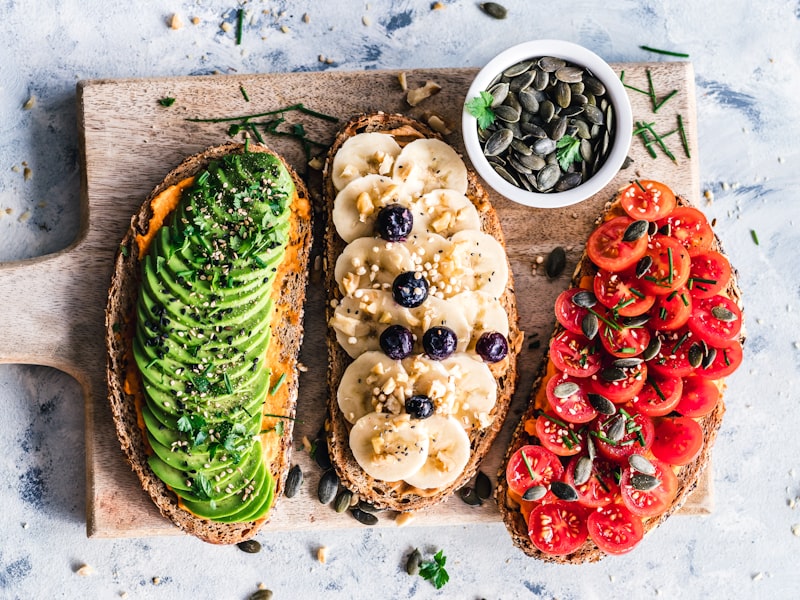
Greek yogurt bowl with berries and chia seeds for a protein-rich breakfast
Lunch — Chicken & Avocado Wrap
1 whole-grain wrap
4 oz grilled chicken breast (or rotisserie chicken)
1/4 avocado, sliced
Handful of spinach
1 tablespoon plain Greek yogurt (as spread)
Salt, pepper, and a squeeze of lime
Prep time: 8 minutes
Snack — Apple with 1 tbsp peanut butter
Dinner — Sheet Pan Salmon & Vegetables
5 oz salmon fillet
1 cup broccoli florets
1/2 cup cherry tomatoes
1 tablespoon olive oil
Garlic powder, salt, pepper
1/2 cup cooked quinoa
Instructions: Toss vegetables in 1/2 tbsp oil and seasoning. Place salmon on a lined baking sheet, brush with remaining oil and seasoning. Bake at 400°F for 15–18 minutes. Serve over quinoa.
Prep time: 25 minutes
Sheet pan salmon with roasted vegetables and quinoa for a healthy dinner
1 scoop vanilla or unflavored protein powder (optional)
1 tablespoon chia seeds
1/2 cup mixed berries
Mix everything in a jar. Refrigerate overnight. Eat cold or warm in the morning.
Prep time: 5 minutes (night before)
Lunch — Leftover Lentil Soup (from Day 2 dinner)
Snack — 1 hard-boiled egg + 1 small orange
Dinner — Ground Turkey & Black Pepper Stir-Fry
5 oz lean ground turkey
1 cup frozen mixed vegetables (broccoli, bell peppers, snap peas)
1 tablespoon low-sodium soy sauce or tamari
1 teaspoon sesame oil
1 clove garlic, minced
1/2 teaspoon grated ginger
1/2 cup cooked brown rice
Brown turkey in a pan. Remove and set aside. Sauté vegetables in sesame oil with garlic and ginger. Return turkey, add soy sauce. Serve over brown rice.
One of the most common questions I get about this weight loss meal plan for beginners is: "How do I know if I'm eating the right amount?" You don't need a food scale. Use your hand as a built-in portion guide:
Food Group
Serving Size for Women
Serving Size for Men
Protein (chicken, fish, eggs, tofu)
1 palm
2 palms
Vegetables
1–2 fists
2–3 fists
Complex carbs (rice, quinoa, sweet potato)
1 cupped hand
2 cupped hands
Healthy fats (nuts, avocado, oil)
1 thumb
2 thumbs
Fruits
1 fist
1–2 fists
This method works because your hand scales roughly with your body size. A larger person needs more food, and they naturally have a larger hand. It's not precise down to the calorie, but for a beginner weight loss diet plan, it's accurate enough to produce results.
7. Meal Prep Tips to Stay on Track
The difference between a meal plan that works and one that collects dust is preparation. Here's how to set yourself up for success:
Sunday Prep Session (30–45 minutes)
Cook a grain. Make a large batch of quinoa or brown rice. Store in the fridge for the week.
Hard-boil 6 eggs. Perfect for snacks or quick breakfasts.
Wash and chop vegetables. Store in containers so they're ready to grab.
Make a dressing. Whisk together olive oil, lemon juice, mustard, and herbs in a jar.
Portion snacks. Put nuts, seeds, and cut vegetables into individual portions.
Daily Habits That Keep You on Track
Pack lunch the night before. Mornings are chaotic. Packing lunch after dinner takes 5 minutes and prevents the "I'll just grab something" trap.
Keep emergency meals in the freezer. A bag of frozen vegetables and a portion of cooked protein means you can always make a stir-fry in 10 minutes.
Use the daily habit framework from our 7 daily habits article — specifically the habit-stacking tip. Pair meal prep with an existing habit like your morning coffee or evening wind-down.
8. Expert Tips Section
These additional strategies come from registered dietitians and weight loss researchers to help you get the most out of this weight loss meal plan for beginners:
Eat your vegetables first. At every meal, eat the vegetables on your plate before touching the carbs or protein. This front-loads fiber and water volume, naturally reducing how much you eat of the calorie-dense foods. A study in the Journal of Nutrition found that eating vegetables first led to 20% lower overall calorie intake at meals.
Don't drink your calories. Liquid calories from coffee creamer, juice, soda, and alcohol are the easiest ones to cut without feeling hungry. Replacing two daily sodas with water saves 280 calories and roughly 28 pounds over a year.
Use the "protein first" rule when eating out. When you're at a restaurant, look at the protein options first and build your meal around that. Protein is the anchor that keeps your meal satisfying. Everything else — carbs, sauces, sides — is secondary.
Pause halfway through your meal. Put your fork down at the midpoint of every meal and take a 60-second break. Ask yourself: "Am I still hungry, or am I eating out of habit?" This simple pause can reduce your meal size by 10–15% without any willpower.
Don't fear healthy fats. Avocado, olive oil, nuts, and fatty fish are calorie-dense, but they're also deeply satiating. People who include moderate amounts of healthy fats in their diet stick to their meal plans longer than those who go low-fat. Fat is flavor, and flavor makes healthy eating sustainable.
9. Common Mistakes Section
Even with a solid beginner weight loss diet plan, these mistakes can derail your progress:
Being too restrictive too fast. This is the #1 reason meal plans fail. If you go from eating takeout every night to only grilled chicken and broccoli, you'll quit by Wednesday. It's better to follow this plan loosely — even 3–4 days a week — than to try for perfection and give up entirely.
Not eating enough. Many beginners slash calories too aggressively. Eating fewer than 1,500 calories (women) or 1,800 (men) triggers your body's starvation response: your metabolism slows, hunger hormones surge, and you lose muscle instead of fat. The moderate deficit in this plan is intentional.
Ignoring portion sizes of "healthy" foods. Nuts, avocado, olive oil, and whole grains are healthy — but they're also calorie-dense. A "handful" of almonds is about 20 nuts (160 calories). Eating 3 handfuls while watching TV adds 480 calories without you noticing.
Relying too much on "diet" products. Sugar-free cookies, low-calorie bread, and diet shakes are ultra-processed foods that don't teach you how to eat real food. They keep you dependent on products rather than building sustainable habits.
Skipping meals to "save calories." Skipping breakfast or lunch almost always leads to overeating at night. Your body can only fight hunger for so long before it rebels. Eat regularly throughout the day — it makes weight loss easier, not harder.
10. Benefits Section
Following this weight loss meal plan for beginners gives you more than just weight loss:
No more decision fatigue. You know what you're eating every day. No "what's for dinner?" stress, no last-minute takeout, no guilt from impulsive choices.
Better energy throughout the day. Stable blood sugar from protein and fiber at every meal means no 3 PM crashes and no afternoon slumps that require caffeine or sugar.
Improved relationship with food. This plan doesn't demonize any food group. You learn to eat real food in reasonable portions without the guilt and shame that comes with restrictive dieting.
Money saved. Meal planning reduces food waste, eliminates impulsive takeout orders, and makes grocery shopping efficient. Most people save $50–100 per week when they switch from unstructured eating to a planned menu.
Sustainable habits. Unlike a "diet" that ends after 30 days, this plan teaches you a framework you can use for life. Adjust the portions, swap the proteins, and keep the structure forever.
Fits with other strategies.
Track your progress with waist measurements and progress photos This plan pairs naturally with the walking habit, protein breakfast strategy, and mindful eating tips from our 7 daily habits post.
11. Frequently Asked Questions (FAQ)
1. How much weight will I lose on this meal plan?
Most beginners lose 3–6 pounds in the first two weeks (mostly water weight initially, then fat loss), followed by 1–2 pounds per week of steady fat loss. Your results depend on your starting point, your consistency, and whether you follow the portion guidelines.
2. Can I adjust the calories if I'm more active?
Yes. If you exercise regularly, add one extra snack or increase your portion sizes, especially the protein and complex carbs. Listen to your hunger — if you're genuinely hungry between meals, you need more food.
3. Do I have to cook every meal from scratch?
No. The plan includes shortcuts like rotisserie chicken, canned beans, frozen vegetables, and pre-cooked grains. The goal is simplicity, not chef-level cooking. If you're tight on time, our weight loss tips include more no-cook strategies.
4. What if I don't like a meal on the plan?
Swap it. The structure is more important than the specific meal. Replace any breakfast with another breakfast from the plan. Replace any dinner with another dinner. The calorie and protein targets are estimates — aim for the general range rather than exact numbers.
5. Can I follow this plan as a vegetarian?
Easily. Swap chicken and fish for tofu, tempeh, lentils, chickpeas, or eggs. The chickpea salad, black bean bowl, lentil soup, and Buddha bowl are already vegetarian. Add an extra serving of legumes or a protein shake to hit your protein target.
6. Do I need to count calories?
No. The meal plan is designed so portion sizes and food choices naturally create a calorie deficit without counting. Use the hand portion guide and stick to the meal structure. If you're not losing weight after 3–4 weeks, then consider tracking for a week to identify where extra calories are sneaking in.
7. Can I drink coffee or tea?
Yes. Black coffee and unsweetened tea are fine. A splash of milk is fine too. Avoid sugary coffee syrups, whipped cream, and sweetened creamers — those turn a zero-calorie drink into a 200-calorie dessert.
8. Will I gain the weight back after I stop?
That depends entirely on what you do after the 7 days. This plan is designed to teach you habits you can continue. If you return to your old eating patterns, yes, the weight will come back. If you keep the core principles — protein at meals, vegetables, portion awareness — you'll maintain your results.
9. Can I eat the same meals every day instead of rotating?
Absolutely. Many people find it easier to eat 3–4 rotating meals rather than 7 different ones. Repeat your favorite days. Consistency matters more than variety.
10. What's the single most important tip for success?
Meal prep. Spending 30 minutes on Sunday chopping vegetables, cooking a grain, and portioning snacks is the single highest-leverage activity for sticking with this plan. If you do one thing, do that.
12. Conclusion
Starting a weight loss journey is overwhelming, but it doesn't have to be complicated. This weight loss meal plan for beginners gives you a complete 7-day framework — with a grocery list, portion guide, and simple meals — so you can stop overthinking and start making progress.
The key is to begin. Don't wait until Monday. Don't wait until you've cleaned out your pantry or bought a full set of meal prep containers. Start with Day 1 of this plan. If you mess up a meal, have the next one. If you miss a day, pick up the next day. Progress, not perfection.
This plan works best when you combine it with the daily habits I covered in our 7 daily habits that help you lose weight without dieting post. Together, the habits and the meal plan create a complete system that produces real, lasting results.
Your first step: Print the grocery list, hit the store, and make Day 1 happen. Drop a comment below and let me know what day you're starting — I'll be right here cheering you on.