If you're searching for how to lose weight fast without exercise, you're not alone — and the good news is, it's absolutely possible. I used to think the only way to lose weight was to spend hours at the gym. I'd wake up every Monday with a plan, drag myself to the treadmill for a week, burn out completely, and go back to square one. Sound familiar?
The truth is, how to lose weight fast without exercise comes down to understanding something most fitness influencers never talk about: what you do outside the gym matters far more than what you do inside it. Exercise accounts for only about 20–30% of your total calorie burn. The rest depends on your daily habits, food choices, stress levels, and sleep quality.
In this guide, you'll find 12 simple, proven tips on how to lose weight fast without exercise — habits real people use every day to shed pounds without ever stepping foot in a gym. Let's get into it.
1. How to Lose Weight Fast Without Exercise: Eat More Slowly
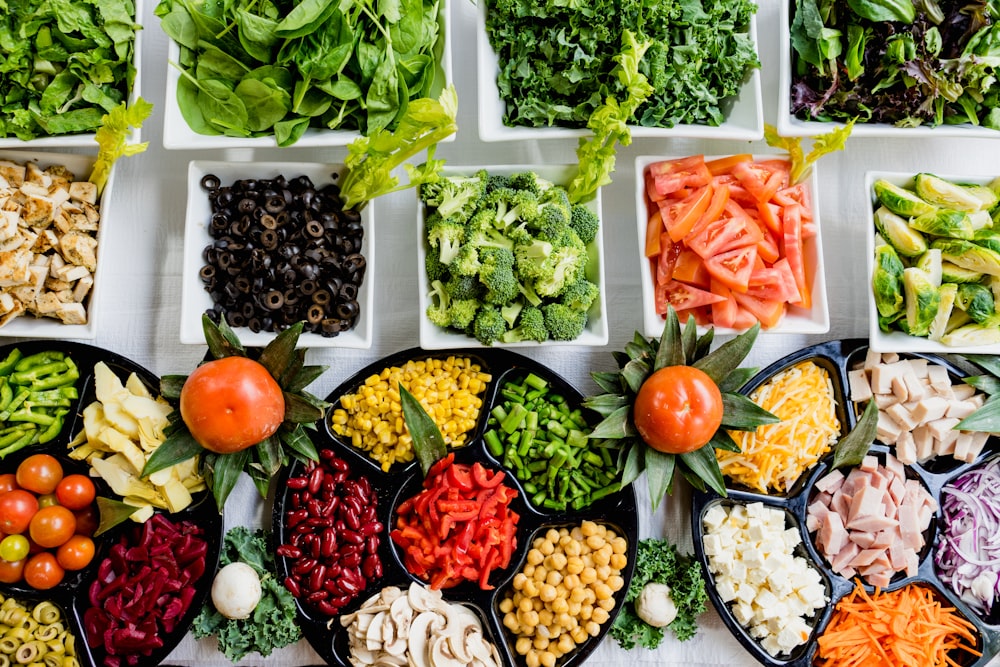
Here's something most people don't know: it takes your brain around 20 minutes to register that your stomach is full. If you eat fast — and most of us do — you can easily pack in hundreds of extra calories before your body even sends the "stop eating" signal.
Slow down. Put your fork down between bites. Chew each bite properly. Try having a conversation during your meal. These tiny changes can cut your calorie intake by 10–15% without you feeling like you're dieting at all.
According to a study published in BMJ Open, people who ate slowly were significantly less likely to be obese than fast eaters. It really is that simple.
2. Drink Water Before Meals to Lose Weight Fast Without Exercise
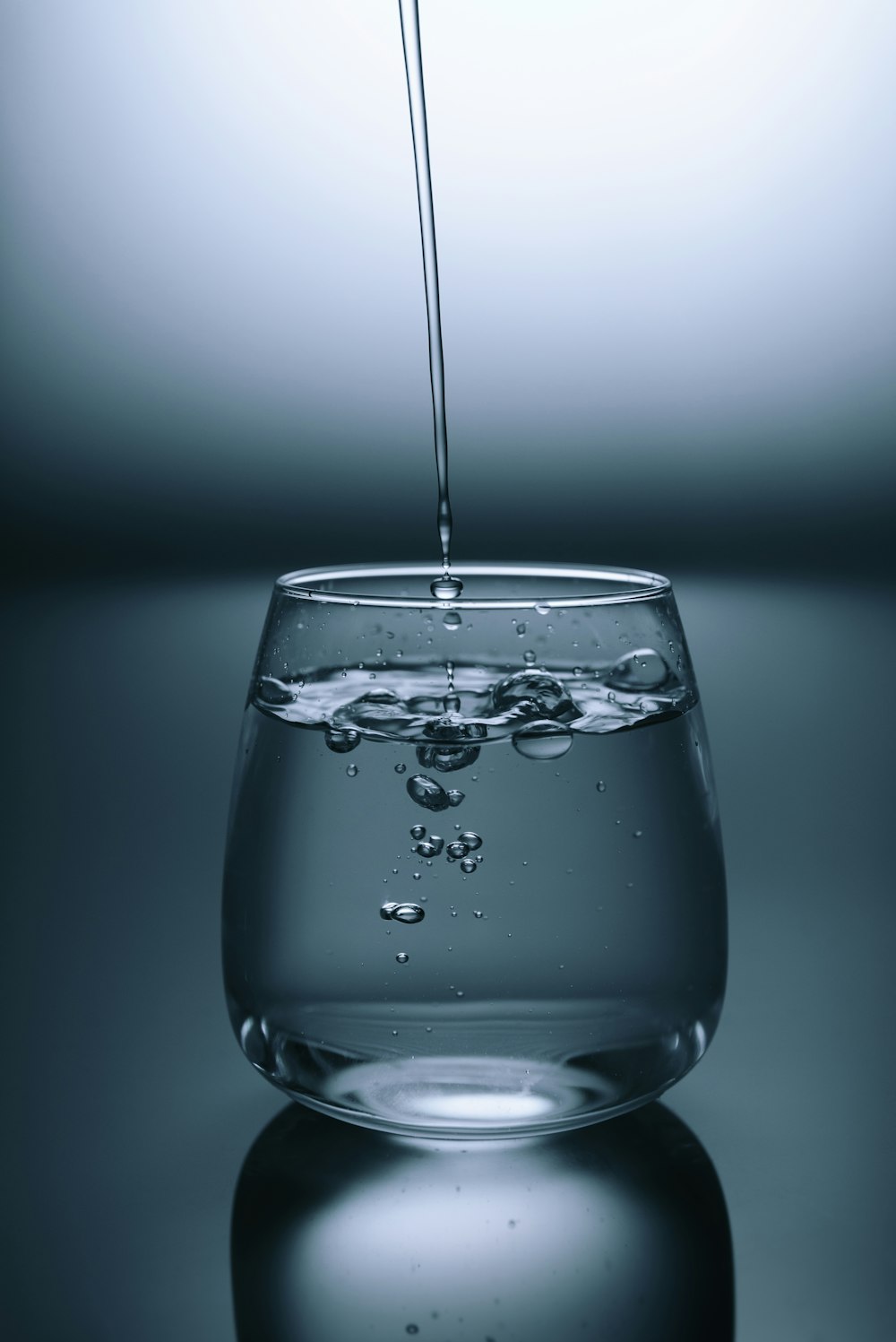
Water is one of the most underrated tools for anyone figuring out how to lose weight fast without exercise. Drinking a large glass of water about 30 minutes before a meal helps fill your stomach, so you naturally eat less when the food arrives.
Research published in Healthline's nutrition section found that people who drank 500ml of water before meals lost 44% more weight than those who didn't — a dramatic difference from just one simple habit.
Also worth knowing: thirst and hunger feel very similar in the body. A lot of snacking happens not because you're genuinely hungry, but because you're mildly dehydrated. Next time a craving hits, drink a glass of water first and wait 10 minutes.
3. Use a Smaller Plate — A Simple Trick to Lose Weight Without Exercise
This one sounds almost too simple to be real, but the psychology behind it is solid. When you use a large plate, a normal portion of food looks small, and your brain tells you you're not eating enough. When you use a smaller plate, the same portion looks much bigger — and your brain feels satisfied.
Research from Cornell University's Food and Brand Lab showed that switching from a 12-inch plate to a 10-inch plate can reduce how much you eat by up to 22%. That's significant — without changing a single ingredient in your meal.
4. Cut Out Sugary Drinks — One of the Fastest Ways to Lose Weight
If there's one single change that can have the biggest impact on how to lose weight fast without exercise, it's cutting out liquid sugar. Soft drinks, fruit juices, energy drinks, and flavored coffees pour calories into your body without making you feel full at all.
A single can of Coca-Cola has 140 calories. A large glass of orange juice has around 150. A fancy coffee drink can carry 400–500 calories on its own. Switch to water, sparkling water, unsweetened green tea, or black coffee. If you drink two or three sugary drinks a day and cut them out, you could eliminate 300–600 calories daily — without changing anything else.
5. Stop Eating in Front of the TV or Phone
Distracted eating is one of the biggest hidden causes of weight gain. When your brain is focused on a screen — not your food — you don't register how much you're eating or how full you're getting.
Studies consistently show that people who eat while distracted consume 25–50% more calories than those who eat mindfully. They also feel less satisfied after the meal and are more likely to snack soon after. Try making meals a screen-free time — sit at a table and focus on what you're eating.
6. Sleep 7–8 Hours Every Night to Lose Weight Fast Without Exercise
Sleep and weight loss are deeply connected — not in a general "feel good" way, but in a direct, hormonal way. When you don't sleep enough, your body produces more ghrelin (the hunger hormone) and less leptin (the fullness hormone). The result? You wake up hungrier and crave more calorie-dense foods.
Multiple large studies confirm that people who sleep less than 6 hours a night are significantly more likely to be overweight. Sleep deprivation also raises cortisol, a stress hormone that promotes belly fat storage. If you're serious about how to lose weight fast without exercise, fix your sleep first.
To sleep better: turn off screens one hour before bed, keep your room dark and cool, go to bed at the same time every night, and avoid caffeine after 2pm.
7. Load Up on Protein — Key to Losing Weight Without the Gym
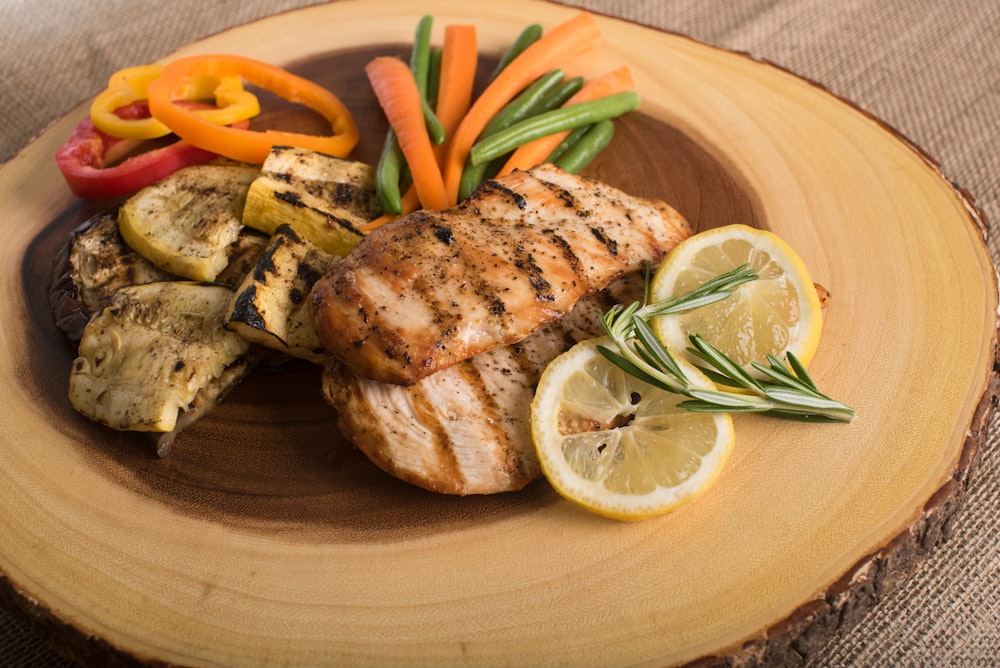
Protein is the single most important macronutrient when learning how to lose weight fast without exercise. It keeps you full for longer, reduces cravings, and burns more calories to digest compared to carbohydrates or fat — a process called the thermic effect of food.
Research shows that increasing protein to 25–30% of daily calories can reduce overall calorie consumption by up to 441 calories per day. Great sources include eggs, chicken, fish, lentils, chickpeas, Greek yogurt, cottage cheese, and beans. Include protein at every single meal.
Want to know more about the best foods for weight loss? Check out our guide on healthy foods that support weight management.
8. Keep Junk Food Out of the House
Willpower is not a reliable long-term strategy. No matter how motivated you are, if there's a bag of chips sitting in your kitchen, you will eventually eat it — especially when tired, bored, or stressed.
The most effective thing you can do is change your environment. Don't buy junk food in the first place. Replace it with easy, healthy options that need no preparation — fruit, nuts, boiled eggs, yogurt, or carrot sticks. This is called "environment design," and it removes the need for willpower entirely.
9. Add More Fiber to Your Diet
Fiber is your weight loss ally. It slows digestion, keeps you fuller for longer, and feeds healthy gut bacteria which plays a role in metabolism. The best high-fiber foods include oats, lentils, beans, chickpeas, apples, pears, broccoli, carrots, and flaxseeds.
One of the easiest fiber upgrades: start your day with oatmeal instead of toast or cereal. A bowl of oats with fruit and a spoon of chia seeds will keep most people full well into the afternoon — with zero exercise required.
10. Manage Stress — Cortisol Blocks Weight Loss Without Exercise
Stress eating is real, and there's a biological reason. When stressed, your body releases cortisol — a hormone that increases appetite and actively encourages fat storage, especially around the abdomen. High cortisol also makes you crave sugary, fatty, high-calorie comfort foods.
Managing stress is therefore a legitimate strategy for how to lose weight fast without exercise. This could be a daily walk, prayer, journaling, deep breathing, spending time with family, or disconnecting from social media. According to WebMD's nutrition experts, chronic stress is one of the top overlooked causes of stubborn weight gain.
11. Eat Your Vegetables First at Every Meal
When you sit down to eat, start with the vegetables on your plate before anything else. Eat your salad before your rice. Finish your broccoli before your chicken. Vegetables are high in water and fiber, which starts filling your stomach before you get to the higher-calorie parts of the meal.
By the time you reach the rice or bread, you're already partially full — and you naturally eat less of it. A simple habit with a big impact on your daily calorie intake, and a key tip in how to lose weight fast without exercise.
12. Intermittent Fasting — Lose Weight Fast Without Exercise While You Sleep

Intermittent fasting (IF) is one of the most powerful answers to how to lose weight fast without exercise. It doesn't mean starving yourself — it simply means organizing your eating within a specific daily window. The most popular approach is 16:8: eat all your meals within an 8-hour window (say, 12pm to 8pm) and fast for the remaining 16 hours, most of which you sleep through anyway.
During the fasting window, insulin levels drop and your body shifts to burning stored fat for energy. Many people find this easier than calorie counting because the rule is simple — just a window to eat in. You can still drink water, black coffee, and unsweetened tea during the fasting hours.
For a deeper dive into fasting methods, Healthline's complete intermittent fasting guide is one of the best resources available.
Does Losing Weight Fast Without Exercise Actually Work?
Yes — and science backs it up. Your Total Daily Energy Expenditure (TDEE) is made up of: your basal metabolic rate (60–70%), non-exercise daily activity (15–20%), and actual exercise (10–20%). This means your food choices, sleep quality, and stress levels have a far greater combined impact on your weight than gym sessions alone.
People who focus only on exercise and ignore everything else often plateau quickly. The 12 tips above target the big pieces — and stacked together, the results compound faster than most people expect.
How Fast Can You See Results Without Exercise?
A realistic, healthy rate of weight loss without exercise is 0.5 to 1 kg per week — that's 2–4 kg per month and up to 48 kg over a year. Weight lost at this pace also stays off, because it comes from genuine lifestyle change rather than crash dieting.
Implement even half these tips consistently and you'll likely see changes within two to three weeks — in how your clothes fit, your energy levels, and eventually on the scale.
Final Thoughts on How to Lose Weight Fast Without Exercise
You don't need a gym membership, a personal trainer, or an expensive diet plan. Knowing how to lose weight fast without exercise comes down to the right daily habits — small changes that are easy enough to maintain and powerful enough to add up over time.
Start with two or three tips from this list today. Drink more water. Slow down when you eat. Cut sugary drinks. Sleep an extra hour. These changes cost nothing and require no equipment. They just require a decision to begin.
Weight loss without exercise isn't a shortcut — it's a smarter way of working with your body instead of against it. Stay consistent, be patient, and the results will come.
Which of these 12 tips on how to lose weight fast without exercise are you trying first? Tell me in the comments below — I read every single one.