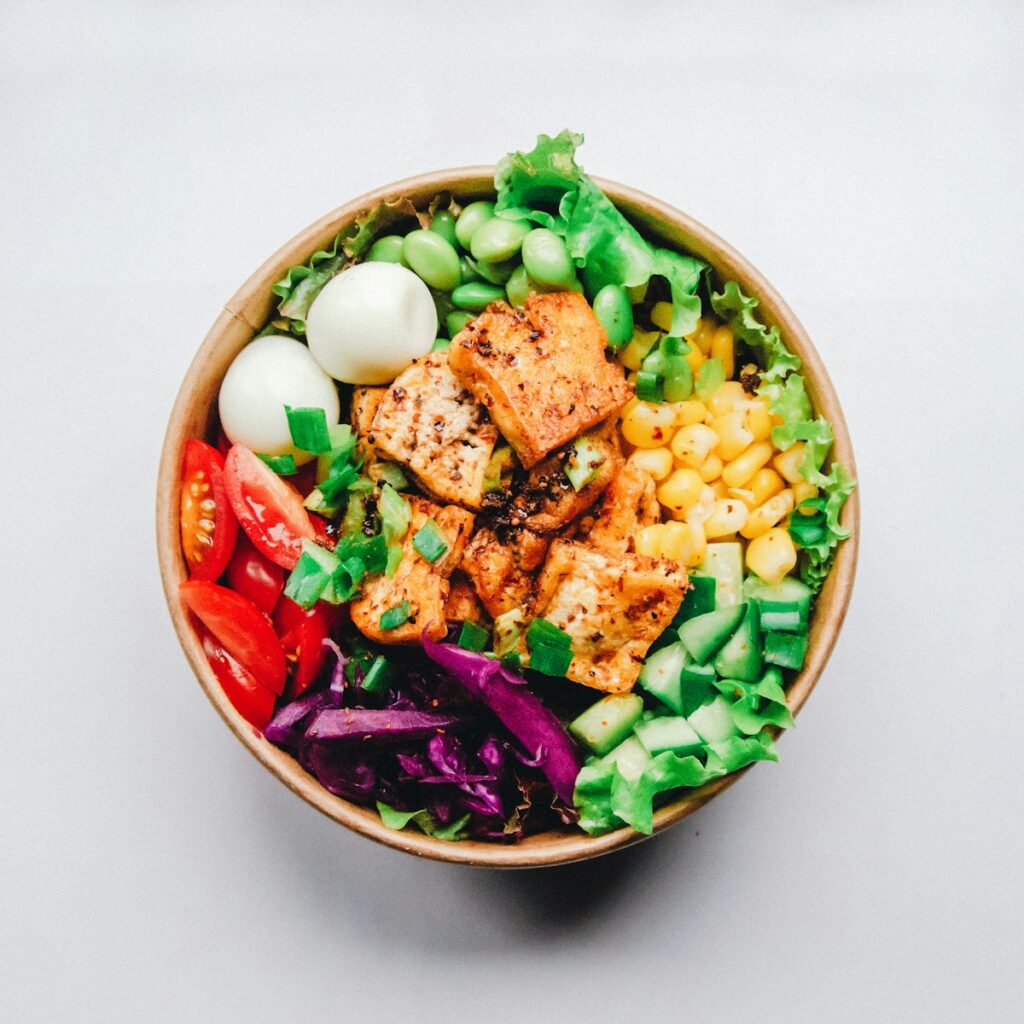
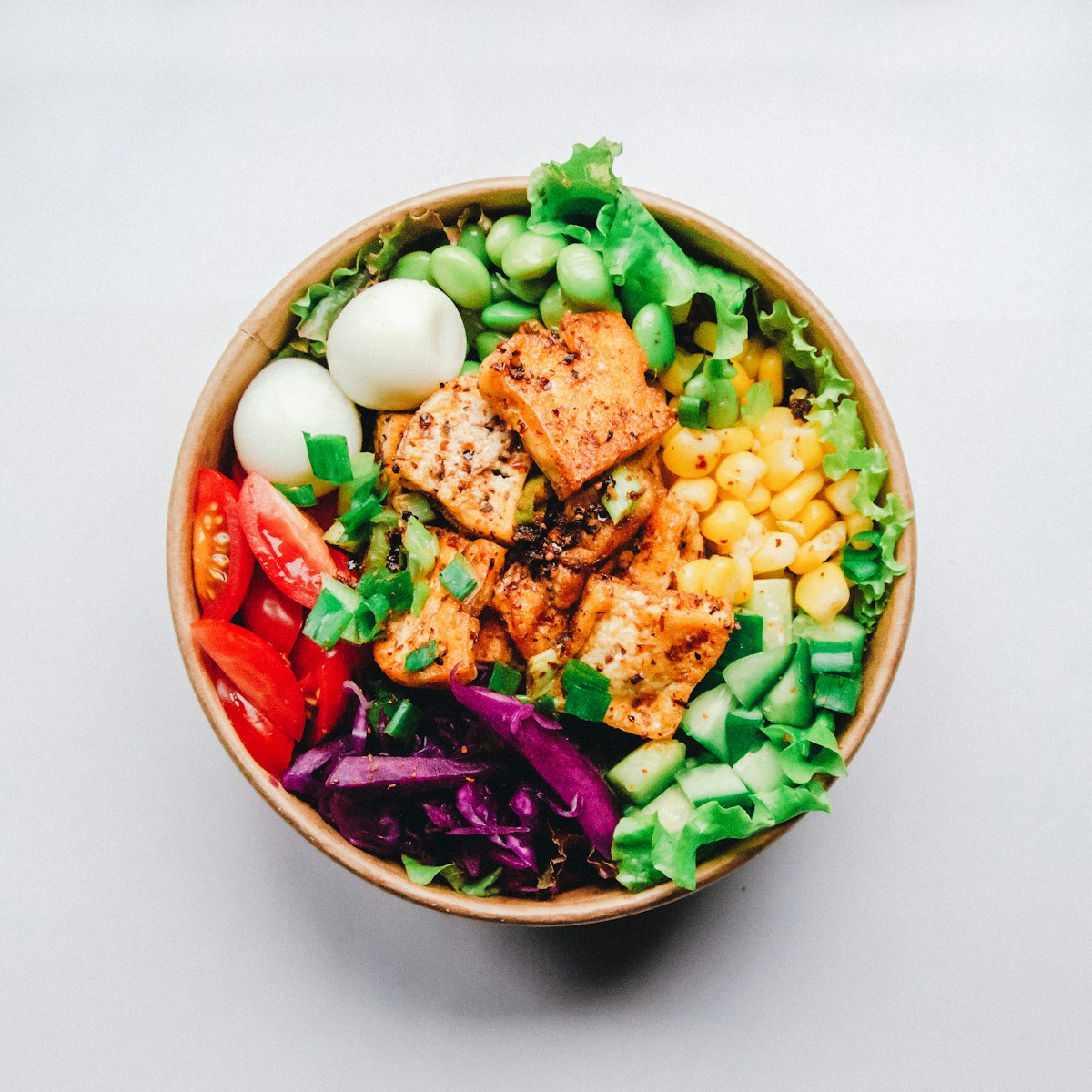
Let me ask you something. Have you ever started a diet on Monday, stuck to it for three or four days, and then found yourself standing in front of the fridge at 10 PM eating something you swore you wouldn’t? If yes, you’re not alone. Diets fail not because you lack willpower — they fail because they ask you to fight against your own biology every single day.
The good news is that sustainable weight loss doesn’t require a strict diet at all. It comes from small, repeatable daily habits that work with your body, not against it. In this post, I’m sharing 7 daily habits that help you lose weight without dieting — no calorie counting, no meal plans, no giving up your favorite foods. These are real-world strategies that fit into a normal life and produce results that actually last.
I’ve already covered how to lose weight fast without exercise in a previous post, as well as a complete healthy diet guide for beginners. This article builds on those foundations with a different angle — specific daily routines that work without you ever feeling like you’re on a diet.
Table of Contents
- 1. Eat a Protein-Rich Breakfast Within 90 Minutes of Waking
- 2. Walk for 15 Minutes After Your Evening Meal
- 3. Chew Each Bite 25–30 Times
- 4. Keep a Simple One-Week Food Log
- 5. Use the 20-Minute Rule Before Seconds
- 6. Set a Fixed Kitchen Closed Time Every Night
- 7. Make One Small Food Swap Each Week
1. Eat a Protein-Rich Breakfast Within 90 Minutes of Waking

Why Timing Matters
Eating protein within 90 minutes of waking stabilizes your blood sugar and reduces ghrelin — the hunger hormone — for hours afterward. A study from Obesity found that participants who ate a high-protein breakfast consumed 135 fewer calories per day on average, without any conscious restriction.
Examples of a protein-rich breakfast:
- Two eggs scrambled with spinach and a slice of whole-grain toast
- Greek yogurt (plain) with almonds, walnuts, and berries
- A smoothie with whey or plant protein, unsweetened almond milk, and a tablespoon of chia seeds
- Cottage cheese with sliced peaches or pineapple
For a full breakdown of balanced meals, our healthy diet guide includes a complete sample day of eating.
Key Takeaway: A protein-rich breakfast within 90 minutes of waking naturally reduces your calorie intake for the rest of the day. No willpower required.
2. Walk for 15 Minutes After Your Evening Meal

What Happens Inside Your Body
After a meal, your blood sugar rises. Your pancreas releases insulin to move that sugar into your cells. When insulin is high, your body stops burning fat and starts storing it. A post-meal walk helps your muscles absorb glucose directly — without needing as much insulin. The result is lower insulin levels and a longer window for fat burning.
Research from Diabetes Care showed that a 15-minute post-meal walk lowered blood sugar more effectively than a single 45-minute walk at any other time of day.
How to make it a habit:
- Put your walking shoes by the front door so you see them after dinner.
- Invite a family member or call a friend while you walk.
- Listen to an audiobook or podcast you only allow yourself to hear during walks.
Key Takeaway: A 15-minute walk after your evening meal lowers insulin and keeps your body burning fat overnight. It’s the closest thing to a free pass for weight loss.
3. Chew Each Bite 25–30 Times

The Science
Chewing more thoroughly breaks food into smaller particles, which slows down how fast you eat and gives your brain time to register satiety. A study in the Journal of the Academy of Nutrition and Dietetics found that participants who chewed each bite 30 times consumed about 15% fewer calories than those who chewed only 10 times.
This habit pairs naturally with eating without screens, which I covered in the 12 simple tips post. When you’re not distracted, you naturally chew more.
How to start: Pick one meal a day — lunch is usually easiest — and consciously count your chews for the first five minutes. After a week, it becomes automatic.
Key Takeaway: Chewing 25–30 times per bite slows your eating naturally and reduces calorie intake by 10–15% without any diet rules.
4. Keep a Simple One-Week Food Log

Why It Works
Most of our eating is automatic. We grab a handful of chips while cooking dinner, finish our child’s leftover toast, or eat a few cookies while watching TV. These invisible calories add up to 300–500 extra calories per day without us ever registering them.
A study from the American Journal of Preventive Medicine tracked 1,700 participants and found that those who kept a simple food diary lost twice as much weight as those who didn’t — even though they weren’t following any specific diet.
How to do it:
- Use a notes app on your phone, a small notebook, or even a text message to yourself.
- Write down everything you eat and drink for 7 days. Yes, everything — including that single biscuit at 3 PM.
- At the end of the week, review it. Look for patterns: mindless snacking, emotional eating, late-night nibbling.
The goal is not judgment — it’s awareness. Once you see where your extra calories are coming from, you can make one small change rather than trying to overhaul everything at once.
Key Takeaway: A one-week food log reveals hidden eating patterns. Awareness alone is often enough to cut hundreds of calories a day.
5. Use the 20-Minute Rule Before Seconds
The Fix
When you finish what’s on your plate, wait 20 minutes before deciding whether to have seconds. Set a timer if you need to. During those 20 minutes, drink water, clear the dishes, or engage in conversation. More often than not, the urge for seconds will pass because your brain has finally caught up with your stomach.
This habit works especially well alongside using smaller plates — which I discussed in the 10 proven weight loss tips guide.
Key Takeaway: Waiting 20 minutes before seconds eliminates the brain-stomach lag. You’ll eat less without feeling deprived.
6. Set a Fixed Kitchen Closed Time Every Night

Why Evenings Are Dangerous
Your body’s insulin sensitivity drops throughout the day. Eating late at night means those calories are more likely to be stored as fat rather than used for energy. Research in the journal Nutrients found that people who ate after 9 PM consumed significantly more calories overall and had higher body fat percentages — even when their total daytime intake was similar.
How to make it stick:
- Pick a time — say, 8 PM — and decide that the kitchen is closed after that.
- Brush your teeth right after your cutoff time. The clean-mouth feeling signals to your brain that eating is done.
- If you feel hungry after your cutoff, drink a large glass of water or a cup of herbal tea.
- Keep snacks out of sight in the evening. What you can’t see, you’re far less likely to eat.
Key Takeaway: A fixed kitchen closed time prevents late-night overeating without any calorie counting. Brush your teeth early to lock in the habit.
7. Make One Small Food Swap Each Week
How to Do It
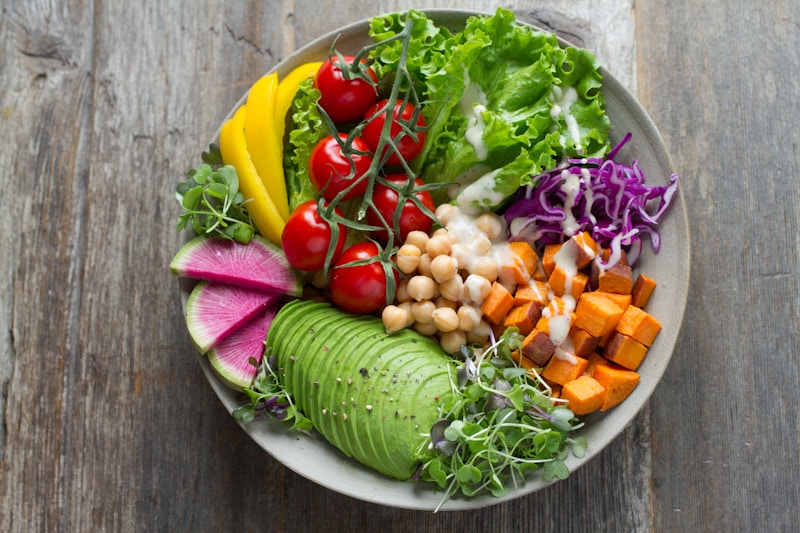
Each week, pick one swap. Here are examples to start with:
- Week 1: Swap sugary cereal for oatmeal with berries and nuts.
- Week 2: Swap white rice for brown rice or quinoa.
- Week 3: Swap chips for raw almonds or roasted chickpeas.
- Week 4: Swap soda for sparkling water with a squeeze of lemon.
- Week 5: Swap white bread for whole-grain bread.
- Week 6: Swap dessert yogurt for plain Greek yogurt with fruit.
Each swap saves you roughly 100–200 calories. By week 6, you’ve reduced your daily intake by 600–1,200 calories without feeling deprived — because each change was small and gradual.
For a complete list of what to eat on a healthy diet, our beginner’s guide to eating right covers the best whole food options in each category.
Key Takeaway: One small food swap per week builds momentum without overwhelm. Six swaps in six weeks can reduce your daily intake by over 800 calories.
Expert Tips Section
- Use visual cues. Keep a fruit bowl on your kitchen counter and hide cookies in the back of a cupboard. You’re 3x more likely to eat what’s visible and accessible.
- Don’t drink your calories. This is the single highest-impact swap you can make. A 2022 review in Nutrients found that liquid calories are the least satiating.
- Stack habits together. Pair a new habit with an existing one. This is called habit stacking and it dramatically improves consistency.
- Forgive yourself quickly. Research from the Journal of Consumer Psychology shows that people who forgive themselves after a slip-up lose more weight.
Common Mistakes Section
- Trying all 7 habits at once. Pick one or two and master them before adding more.
- Starting your food log and then judging yourself. A food log is for awareness, not shame.
- Walking too fast after dinner. A gentle, relaxed walk is ideal.
- Setting your kitchen closed time too early. Start 30 minutes earlier than your current last bite.
- Swapping too many foods at once. One swap per week is sustainable.
Benefits Section
- No food restrictions. You’re not cutting out any food groups.
- Better energy. Stable blood sugar from protein-rich breakfasts.
- Improved digestion. Chewing thoroughly and not eating late at night.
- No yo-yo effect. Lifestyle habits, not a temporary diet.
- Zero cost. No shakes, no meal plans, no subscriptions.
- Fits any schedule. These habits adapt to your life.
Frequently Asked Questions (FAQ)
1. How much weight can I expect to lose?
Most people lose 3–6 pounds in the first month and 1–2 pounds per week after that.
2. Can I do these habits if I work night shifts?
Yes. Adjust the timing to match your schedule.
3. Do I need to give up my favorite foods?
No. That’s the whole point of this approach.
4. Can I still lose weight if I skip breakfast?
Intermittent fasting works for some people. If you prefer fasting, eat your first protein-rich meal within your eating window.
5. What if I forget to walk after dinner?
Missing one day matters far less than getting back on track the next day.
6. Is chewing 25 times really necessary?
25 is a guideline, not a rule. Even 15 chews per bite is better.
7. How long until these habits feel automatic?
Most people find it takes about 3 weeks of consistent practice.
8. Can teenagers follow these habits?
Yes, with one adjustment — focus on habit quality rather than restriction.
9. Should I weigh myself while doing this?
Once a week is enough. Track how your clothes fit too.
10. What’s the single most impactful habit?
Walk for 15 minutes after dinner. Start there.
Conclusion
Weight loss doesn’t have to mean dieting. These 7 daily habits that help you lose weight without dieting work because they don’t ask you to fight your biology — they work with it.
Start with one habit. Just one. Do it for a week until it feels normal, then add a second.
For more context, check out 10 proven weight loss tips that actually work and our complete healthy diet guide.
Which habit will you start with tonight? Drop a comment below.