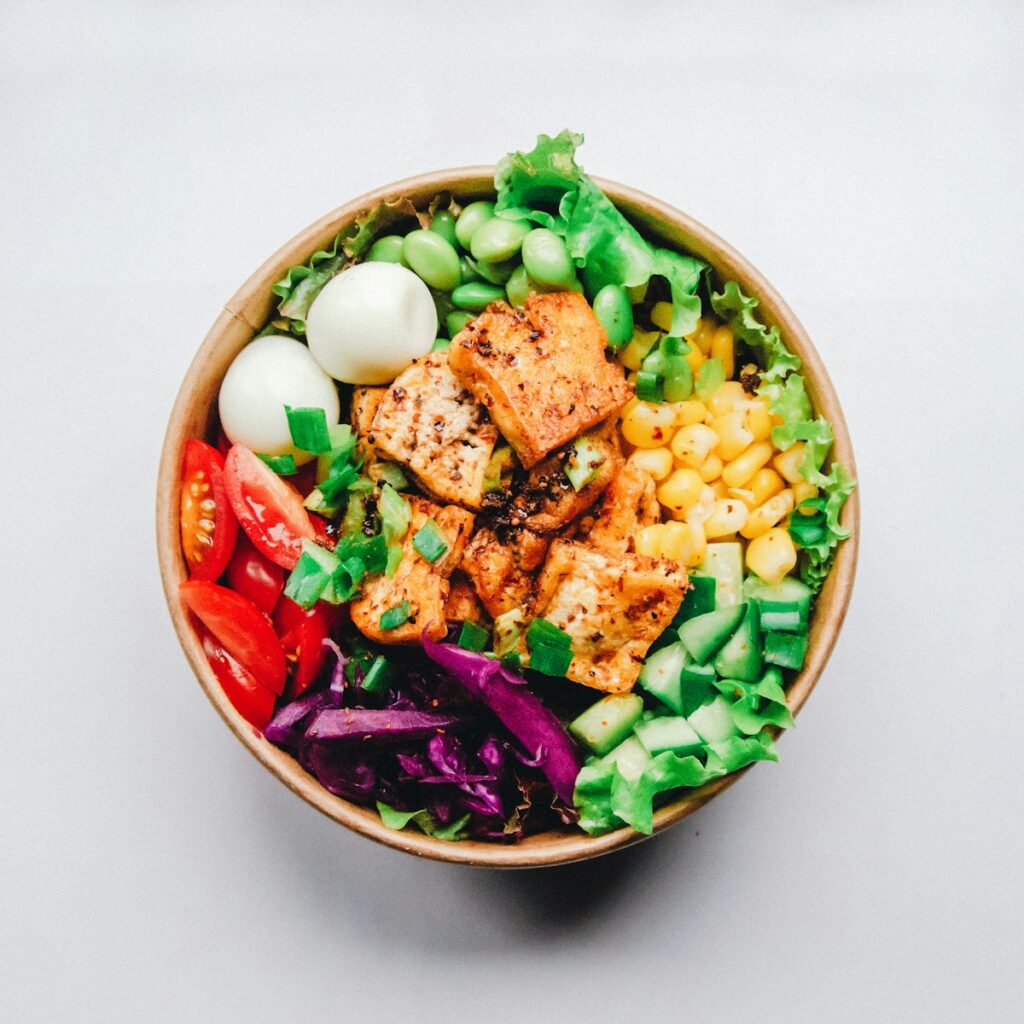

Intermittent fasting weight loss is one of the most searched health topics today — and for good reason. Unlike restrictive diets that tell you what to eat, intermittent fasting weight loss focuses on when you eat, making it one of the simplest and most sustainable ways to lose fat without counting every single calorie. In this guide, you'll learn what it is, its real benefits, a step-by-step way to start, common mistakes to avoid, and answers to the most asked questions.

What Is Intermittent Fasting?
Intermittent fasting (IF) is an eating pattern that cycles between periods of eating and periods of fasting. It doesn't specify which foods to eat, but rather when you should eat them. During the fasting window, your body shifts from burning glucose to burning stored fat for energy, which is why intermittent fasting weight loss has become such a popular approach.
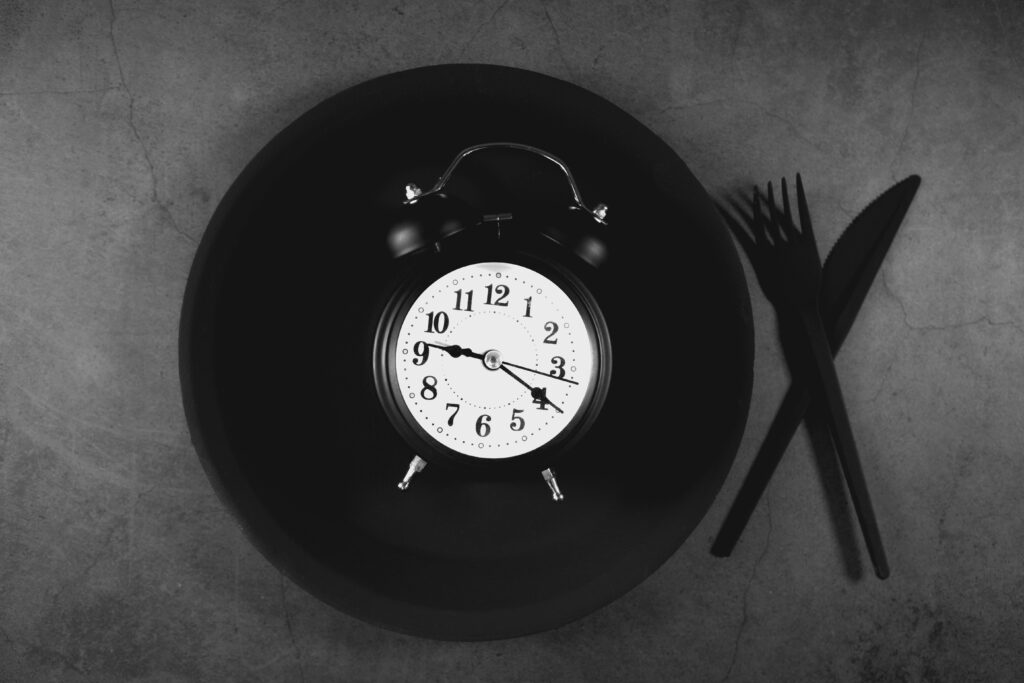
The most common approach is the 16:8 method — fasting for 16 hours and eating within an 8-hour window, such as 12 PM to 8 PM. Most of the fasting hours happen while you sleep, which makes it easy for beginners to follow. Other variations like the 5:2 method (eating normally 5 days a week, restricting calories on 2) also exist, but 16:8 remains the simplest starting point for intermittent fasting weight loss.
Benefits of Intermittent Fasting Weight Loss
Intermittent fasting weight loss offers more than just a smaller number on the scale. When practiced consistently, it can support several aspects of your health:
- Natural calorie reduction: A shorter eating window often leads to eating fewer calories overall, without having to track every bite.
- Better fat burning: Lower insulin levels during fasting hours allow your body to access and burn stored fat more efficiently.
- Improved metabolic health: Research from the Harvard T.H. Chan School of Public Health points to potential improvements in blood sugar and cholesterol markers.
- Simplicity: No calorie counting or special meal prep — just an eating window to follow.
- Better digestion and energy: Many people report reduced bloating and steadier energy levels once their body adapts.

Step-by-Step Guide to Intermittent Fasting Weight Loss
Follow these three simple steps to ease into intermittent fasting weight loss without feeling overwhelmed:
- Step 1 – Start with a 12-hour fast: Stop eating by 8 PM and don't eat again until 8 AM. This is an easy starting point since most of it overlaps with sleep.
- Step 2 – Gradually extend to 14 hours: After a few days, push your first meal back by an hour or two until you're comfortably fasting for 14 hours.
- Step 3 – Move to the full 16:8 window: Once your body adjusts, settle into eating between, for example, 12 PM and 8 PM, and fast for the remaining 16 hours. Prioritize protein and fiber-rich whole foods — eggs, lentils, vegetables, nuts — during your eating window, and stay hydrated with water, black coffee, or plain tea while fasting.

Common Mistakes to Avoid
Many beginners overeat during their eating window, assuming fasting "cancels out" excess calories — it doesn't. Others jump straight into a 16-hour fast without easing in, which often leads to fatigue, irritability, or giving up within days. It's best to start with a shorter fast and extend it gradually, as outlined in the steps above, for steady intermittent fasting weight loss.
Another common mistake is neglecting protein and fiber during meals, which leads to hunger crashes and muscle loss over time. Pair your fasting routine with our tips on proven weight loss habits for better, longer-lasting results.
FAQs
Does intermittent fasting really work for weight loss?
Yes, for most people intermittent fasting weight loss works by naturally reducing calorie intake and improving how the body uses stored fat for energy. Results vary based on consistency, diet quality, and individual metabolism.
How long does it take to see results with intermittent fasting?
Most beginners notice initial changes like reduced bloating and better energy within one to two weeks. Visible weight loss typically becomes noticeable after three to four weeks of consistent practice.
Can I drink coffee or tea while fasting?
Yes, black coffee, plain tea, and water are all fine during your fasting window since they contain virtually no calories and won't break your fast. Avoid adding sugar, milk, or cream during fasting hours.
Is the 16:8 method better than other fasting schedules?
The 16:8 method is generally considered the easiest and most sustainable for beginners since most fasting hours occur during sleep. Other methods like 5:2 may suit people who prefer flexibility over a daily fasting routine.
Will intermittent fasting cause muscle loss?
Muscle loss is unlikely if you eat enough protein and continue strength training during your eating window. Fasting alone does not directly cause muscle loss when nutrition and activity are managed properly.
Conclusion
Intermittent fasting weight loss works best when treated as a lifestyle, not a quick fix. Start slow using the step-by-step guide above, prioritize nutrient-dense food during your eating window, and stay consistent. Combined with good habits like proper hydration, sleep, and movement, intermittent fasting weight loss can be one of the most effective and sustainable strategies in 2026. For more strategies, explore our guide on healthy diet plans for beginners.