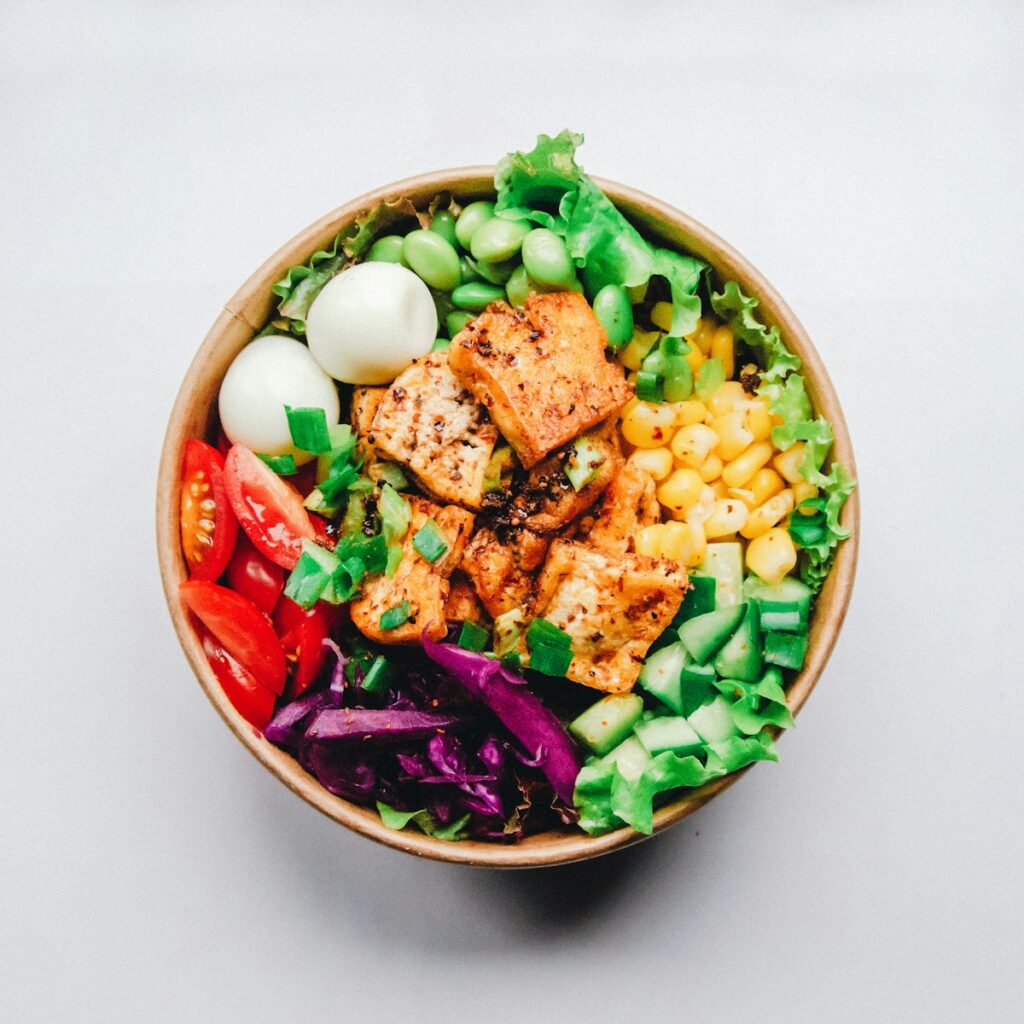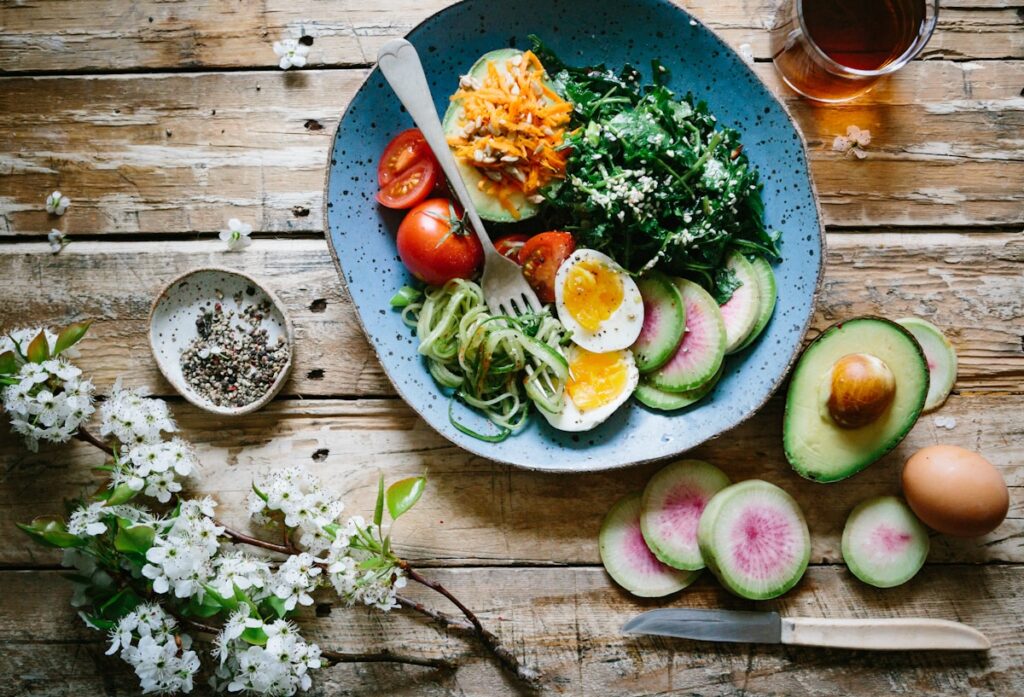
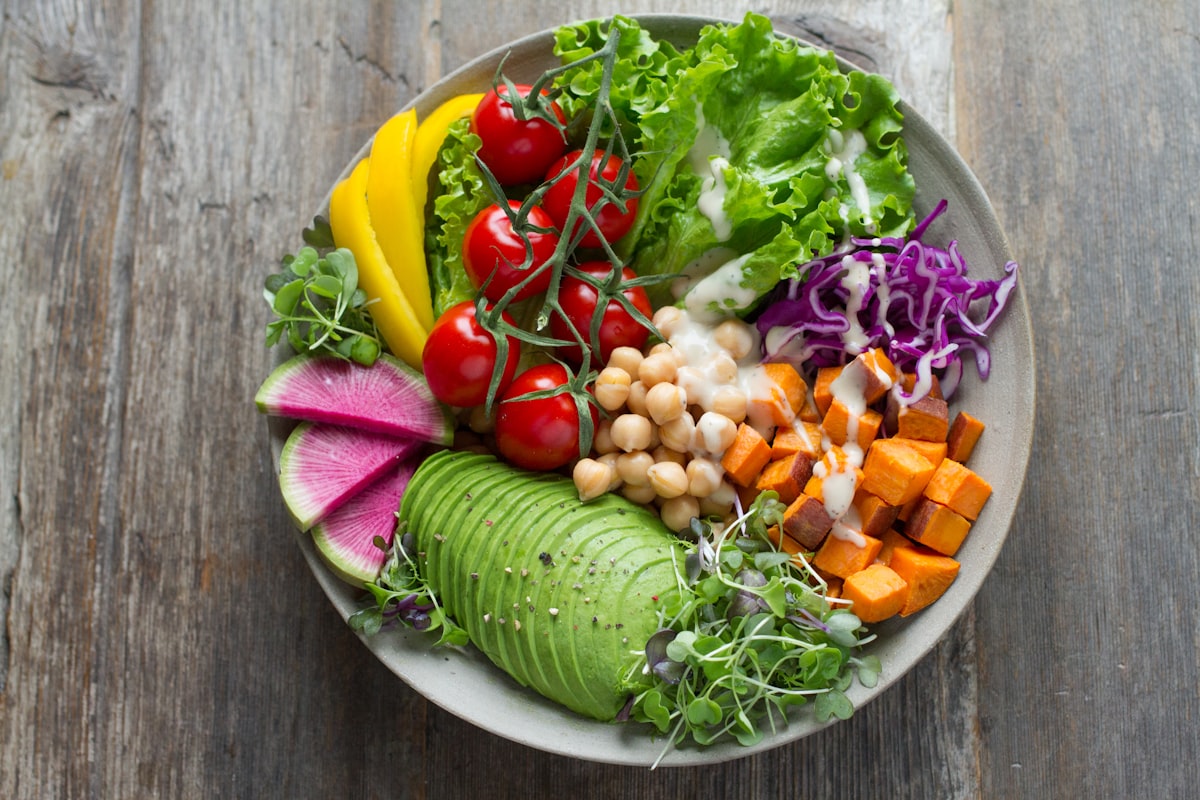
A healthy diet is not about eating less — it's about eating smart. In 2026, with so much processed food, late-night delivery apps, and conflicting nutrition advice floating around, most people genuinely don't know where to start. Some try extreme diets and give up within two weeks. Others eat "healthy" but still feel tired, bloated, and far from their goals.
The truth is, building a healthy diet doesn't require a nutritionist, an expensive meal plan, or giving up everything you love. It requires understanding a few core principles and applying them consistently. That's exactly what this guide covers — a practical, 2026-relevant breakdown of what a healthy diet actually looks like, what to eat, what to avoid, and how to make it a lifestyle rather than a temporary fix.
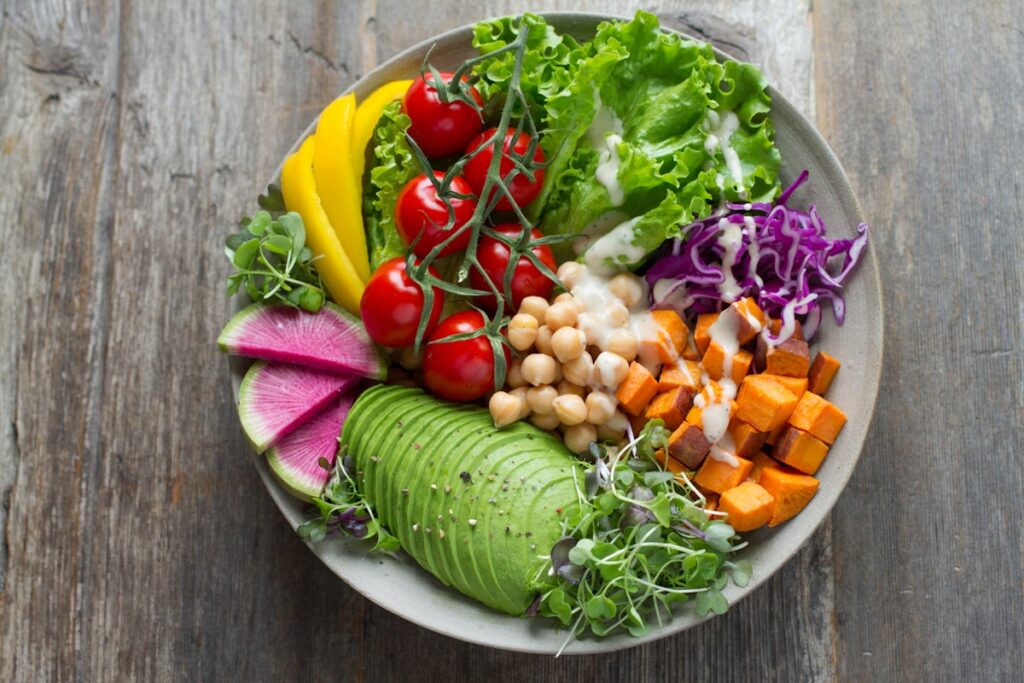
What Exactly Is a Healthy Diet?
A healthy diet is one that provides your body with the right balance of nutrients — proteins, carbohydrates, healthy fats, vitamins, minerals, and water — in the right amounts. It's not a single meal or a one-week challenge. It's a consistent eating pattern that supports your energy levels, immune system, mental clarity, and long-term health.
According to the World Health Organization, a healthy diet helps protect against malnutrition in all its forms, as well as noncommunicable diseases including diabetes, heart disease, stroke, and cancer. The goal isn't perfection — it's consistency and balance over time.
The 7 Core Principles of a Healthy Diet in 2026
1. Build Every Meal Around Whole Foods
The single most effective change you can make to your healthy diet is switching from processed foods to whole foods. Whole foods are foods that are as close to their natural state as possible — fresh vegetables, fruits, whole grains, legumes, eggs, and lean meats. They haven't been stripped of their nutrients or loaded with artificial additives.
Processed foods — chips, instant noodles, packaged biscuits, sugary cereals — are designed to be addictive. They're high in empty calories, refined sugar, and unhealthy oils that spike your blood sugar and leave you hungry again within an hour. The moment you shift even 70% of your meals toward whole foods, your energy, digestion, and weight will begin to improve noticeably.
2. Make Vegetables the Star of Your Healthy Diet
Most people treat vegetables as a side dish — a few leaves of salad next to the "real food." That mindset needs to flip. In a genuinely healthy diet, vegetables should take up at least half your plate at every meal. They are packed with fiber, vitamins, antioxidants, and minerals that your body needs to function properly.
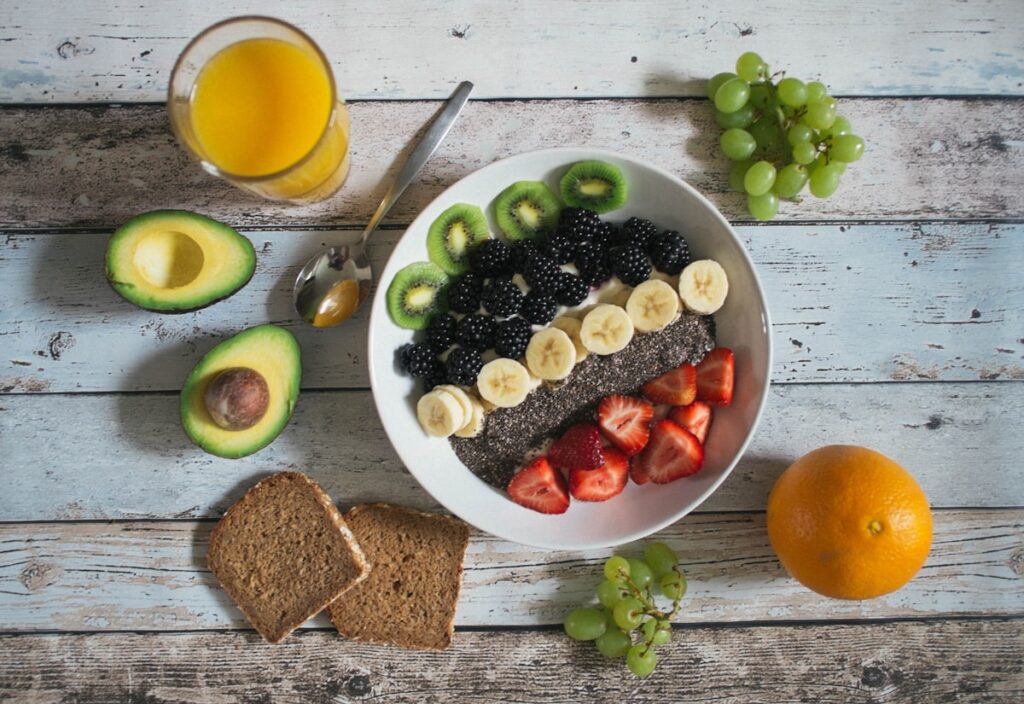
Some of the best vegetables to include in your healthy diet plan are spinach, broccoli, carrots, bell peppers, zucchini, kale, cauliflower, and sweet potatoes. Don't limit yourself — variety is key. Different colored vegetables provide different phytonutrients, so eating a rainbow of produce each week gives your body the widest range of protection.
3. Choose the Right Carbohydrates
Carbohydrates have been unfairly demonized for years. The reality is, your brain runs on glucose — a form of carbohydrate. The problem isn't carbs themselves; it's the type of carbs people eat. A healthy diet includes complex carbohydrates like brown rice, oats, whole wheat bread, quinoa, lentils, and sweet potatoes. These digest slowly, keeping blood sugar stable and hunger at bay for hours.
Refined carbohydrates — white bread, white rice, sugary drinks, pastries — do the opposite. They cause rapid blood sugar spikes followed by crashes, leaving you craving more food. If you're serious about eating a healthy diet, swap refined carbs for complex ones. It doesn't have to be an overnight switch — even replacing one refined carb per day makes a significant difference over weeks.
4. Eat Enough Protein at Every Meal
Protein is the building block of every cell in your body. A healthy diet must include adequate protein to support muscle repair, immune function, hormone production, and satiety. Most adults need between 0.8 to 1.2 grams of protein per kilogram of body weight daily — and if you're active or trying to lose fat while maintaining muscle, you need even more.
Great protein sources for a healthy diet include eggs, chicken breast, fish, Greek yogurt, lentils, chickpeas, paneer, tofu, and cottage cheese. The advantage of getting protein from whole food sources rather than protein bars or shakes is that whole foods come packaged with other nutrients — fiber, healthy fats, vitamins — that your body needs alongside the protein.
5. Include Healthy Fats — Don't Fear Them
For decades, fat was considered the enemy of good health. That's been thoroughly debunked. Healthy fats are absolutely essential for brain function, hormone regulation, vitamin absorption, and heart health. A well-designed healthy diet plan includes regular servings of avocados, olive oil, nuts, seeds, and fatty fish like salmon or mackerel.
What you should avoid are trans fats and excessive saturated fats found in fried fast food, margarine, and commercially baked goods. These damage blood vessels over time and increase the risk of cardiovascular disease. The goal is not to eliminate fat from your healthy diet — it's to choose the right fats in appropriate amounts.
6. Drink Water — Your Healthy Diet Depends on It
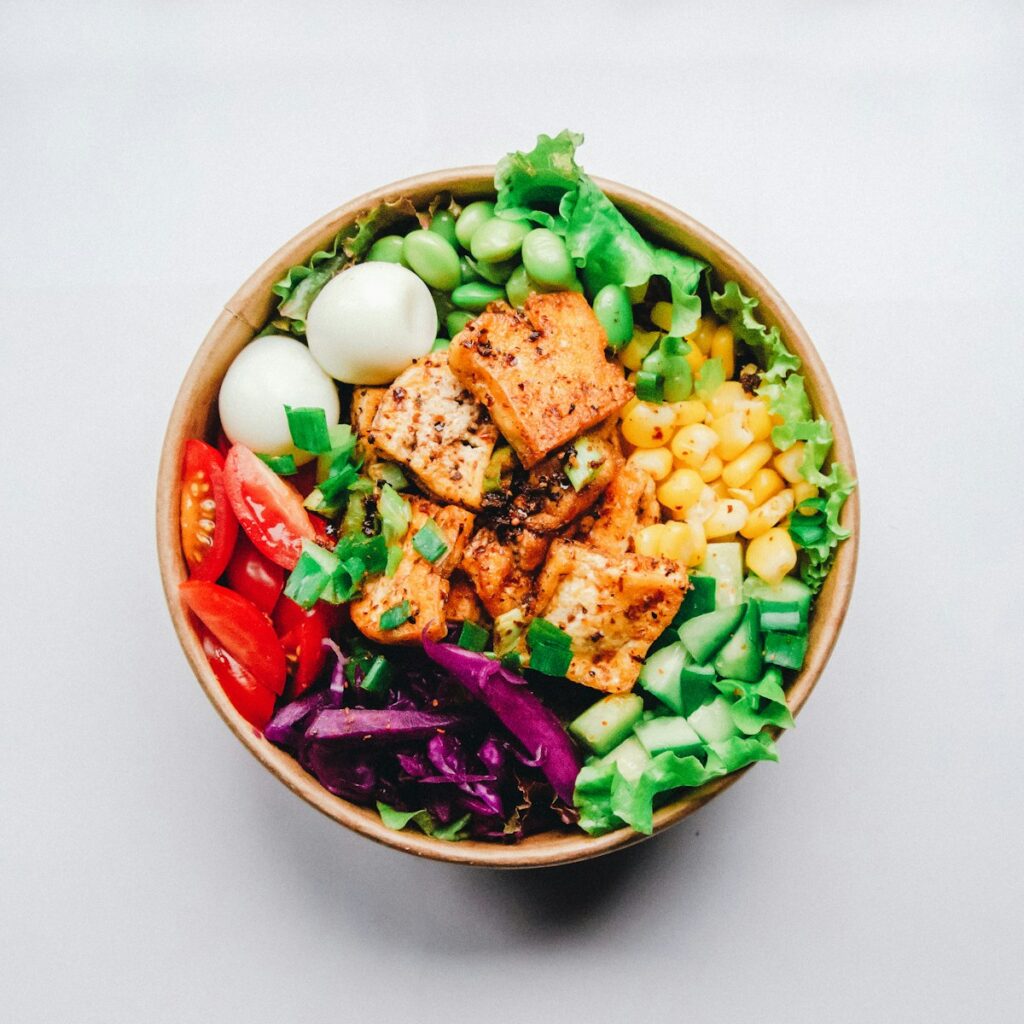
Hydration is the most overlooked component of a healthy diet. Water plays a role in literally every bodily function — digestion, circulation, temperature regulation, joint lubrication, and toxin removal. Many people who think they're hungry are actually just dehydrated. Before reaching for a snack, drink a full glass of water and wait 10 minutes.
Aim for 8–10 glasses of plain water per day. If you find plain water boring, infuse it with lemon, cucumber, or mint leaves. Herbal teas also count toward your hydration. What doesn't count — or actively works against your healthy diet — are sugary sodas, energy drinks, and packaged fruit juices, which deliver a large amount of sugar with minimal nutritional value.
7. Control Portions Without Counting Every Calorie
You don't need to weigh every gram of food to maintain a healthy diet. A simple and effective approach is the plate method: fill half your plate with vegetables, one quarter with lean protein, and one quarter with complex carbohydrates. Add a small amount of healthy fat — a drizzle of olive oil, a handful of nuts, or a few slices of avocado.
Eat slowly, chew thoroughly, and stop when you're about 80% full. Your brain takes roughly 20 minutes to register satiety signals from your stomach, so eating too fast almost always leads to overeating. This mindful approach to portions is one of the most sustainable habits in any healthy diet plan because it doesn't require apps, calculators, or food scales.
Common Healthy Diet Mistakes to Avoid in 2026
Even people who are serious about following a healthy diet often make a few common mistakes that slow their progress. Here are the most frequent ones and how to fix them:
Skipping breakfast: Many people skip breakfast thinking it helps reduce calories. In reality, skipping breakfast often leads to overeating later in the day, particularly at night. A protein-rich breakfast stabilizes blood sugar and reduces cravings throughout the day. A bowl of oatmeal with eggs or Greek yogurt with fruit is a perfect healthy diet breakfast.
Drinking calories: Fruit juices, flavored coffees, lassi with sugar, and sodas can add 300–500 extra calories to your day without you even noticing. A healthy diet keeps liquid calories minimal. Drink water, plain tea, or black coffee instead.
Eating too little: Severe calorie restriction is not a healthy diet strategy — it's a shortcut that backfires. When you eat too little, your metabolism slows, you lose muscle mass, and you're more likely to binge eat when willpower runs low. Eat enough whole, nutrient-dense food to fuel your body properly.
Relying on "diet" labeled products: Low-fat yogurt, diet biscuits, and sugar-free snacks often replace one problematic ingredient with another — usually artificial sweeteners or refined flour. A truly healthy diet focuses on real food, not marketing labels.
A Simple 1-Day Healthy Diet Meal Plan
To make this practical, here is an example of what a healthy diet looks like over the course of one day. This is flexible — adjust portions and swap items based on your preferences and local food availability.
Breakfast: Two boiled or scrambled eggs with whole grain toast, half an avocado, and a cup of green tea. This gives you a solid protein and healthy fat start that keeps you full until lunch.
Mid-morning snack: A handful of mixed nuts (almonds, walnuts, cashews) or a small bowl of Greek yogurt with a drizzle of honey. Both are nutrient-dense and won't spike your blood sugar.
Lunch: Grilled chicken or lentil curry with brown rice, a side salad of cucumber, tomatoes, and olive oil, and a glass of water. This is a complete healthy diet meal with protein, complex carbs, fiber, and healthy fat.
Afternoon snack: A piece of fruit — apple, banana, or pear — paired with a small handful of seeds. This provides natural sugar with fiber to slow absorption and keep energy levels stable.
Dinner: Baked or grilled fish or paneer with roasted vegetables (broccoli, bell peppers, zucchini) and a small portion of quinoa or chapati. Keep dinner lighter than lunch — your body doesn't need heavy fuel at night.
This is not a rigid prescription — it's a template. The point is that a healthy diet is built on real ingredients prepared simply, eaten at regular intervals throughout the day. According to Healthline's nutrition guide, the best diet is one you can actually maintain long-term, not the most restrictive one.
How to Make a Healthy Diet a Long-Term Lifestyle
The hardest part of eating a healthy diet isn't knowing what to eat — most people already have a general idea. The hardest part is making it stick when life gets busy, when you travel, when you're stressed, or when you're surrounded by tempting food.
Here are a few strategies that make long-term consistency far more realistic:
Meal prep on weekends: Spending two hours on Sunday washing, chopping, and cooking a few staples — rice, lentils, boiled eggs, roasted vegetables — means that during the week, putting together a healthy diet meal takes five minutes, not thirty. When healthy food is convenient, you choose it more often.
Don't aim for perfection: The all-or-nothing mindset destroys more healthy diet efforts than anything else. If you eat something unhealthy at one meal, that doesn't mean the day is ruined. Just go back to your healthy diet at the next meal. One bad meal out of twenty-one that week is completely irrelevant to your overall progress.
Make healthy food taste good: One of the biggest myths about a healthy diet is that it has to be bland. Use spices generously — turmeric, cumin, coriander, garlic, ginger, black pepper. These not only add tremendous flavor but also carry their own impressive health benefits. A healthy diet that tastes delicious is one you'll actually follow.
Shop smart: Your healthy diet starts at the grocery store. If your home is stocked with whole foods, that's what you eat. If it's full of chips, biscuits, and instant meals, that's what you'll reach for when hunger strikes. Build a weekly shopping list built around your healthy diet meals and stick to it.
Final Thoughts: Your Healthy Diet Starts Today
A healthy diet in 2026 is not a trending challenge or a 30-day reset — it's a lifelong investment in your energy, your health, and your quality of life. You don't need to overhaul everything overnight. Start by adding one more serving of vegetables to your day, swapping one refined carb for a whole grain, or drinking one extra glass of water. Small, consistent steps compound into remarkable results over time.
If you found this guide helpful, feel free to share it with someone who's trying to eat better. And if you have questions about your specific health goals or dietary needs, drop them in the comments below — I'd love to help.
]]>